Introduction
Nearly 15-20% of adults experience vertigo at some point in their lives, leading to missed work, falls, and anxiety.1 Yet many patients, and even some clinicians, underestimate the value of precise eye movement tests in diagnosing vestibular disorders. EquiCOG illuminates those hidden eye motions, transforming the way we approach vertigo and nystagmus tracking.
Download the EquiCOG Brochure Today – Discover how advanced VNG equipment enhances vestibular assessment. Download Now
Understanding Vertigo
Vertigo is a false sensation of motion, often described as “the room spinning.” It arises when the brain receives mismatched signals from the inner ear, eyes, and proprioceptive system. Imagine stepping off a carousel and still feeling a lingering spin, that’s what patients experience.
Vertigo and Eye Movement Tracking
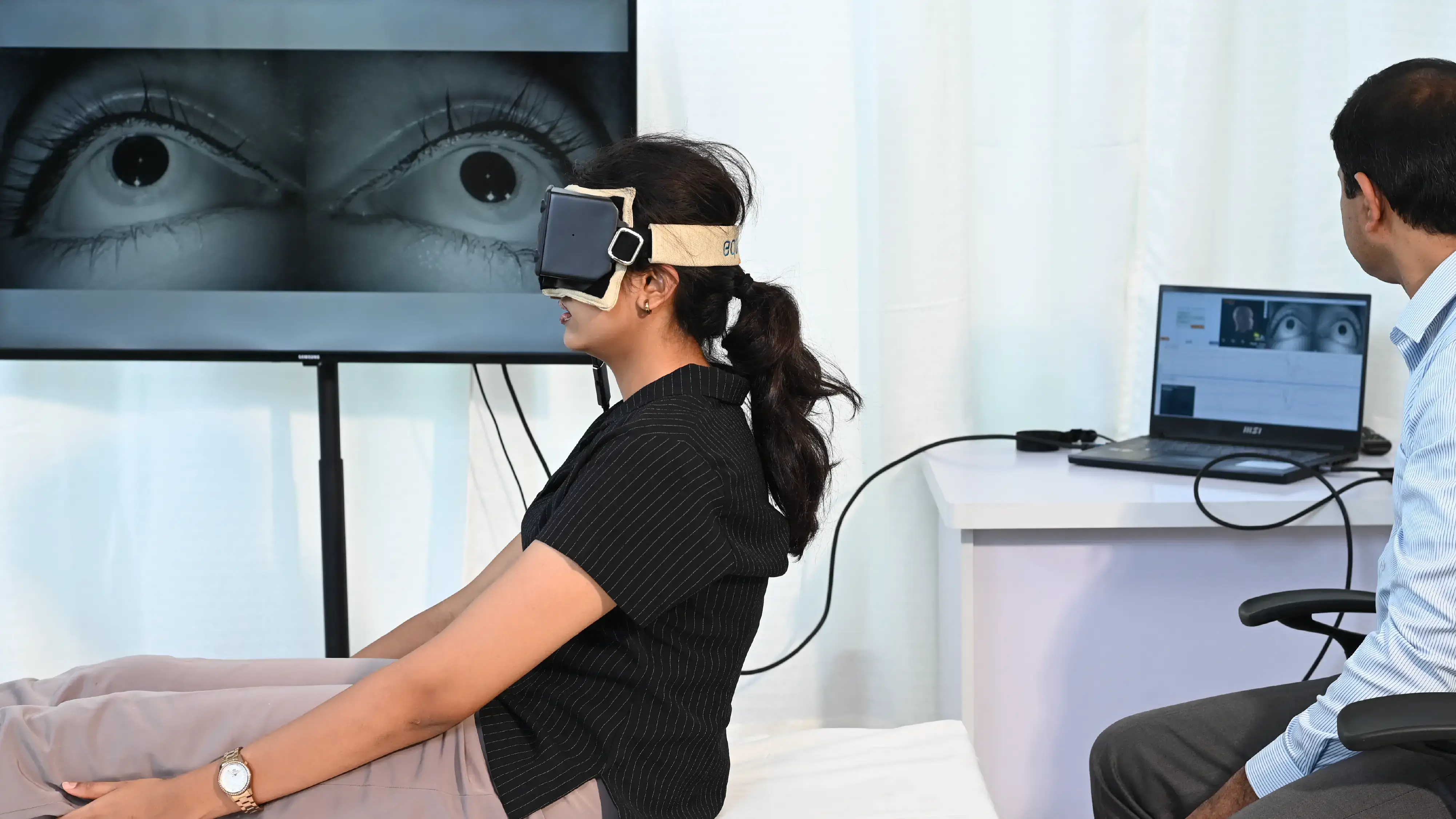
One of the most revealing indicators of vertigo is nystagmus, a rhythmic, involuntary movement of the eyes.[2] These eye motions aren’t random; they reflect how the brain is interpreting conflicting signals from the vestibular system. When the inner ear sends distorted information about balance or motion, the eyes respond with compensatory movements that can be observed and measured. By analyzing the direction, speed, and pattern of nystagmus, clinicians can identify whether the vertigo originates from peripheral causes like BPPV or central neurological issues. High-resolution eye movement tracking, especially through videonystagmography (VNG), offers a non-invasive, objective window into vestibular dysfunction, making it an essential tool in modern vertigo diagnosis.
Learn more about vestibular assessment equipment and compare VNG machine prices. Reach out today.
Symptoms & Signs
- Spinning sensation with head movement
- Unsteady balance or staggering gait
- Nausea, vomiting, or lightheadedness
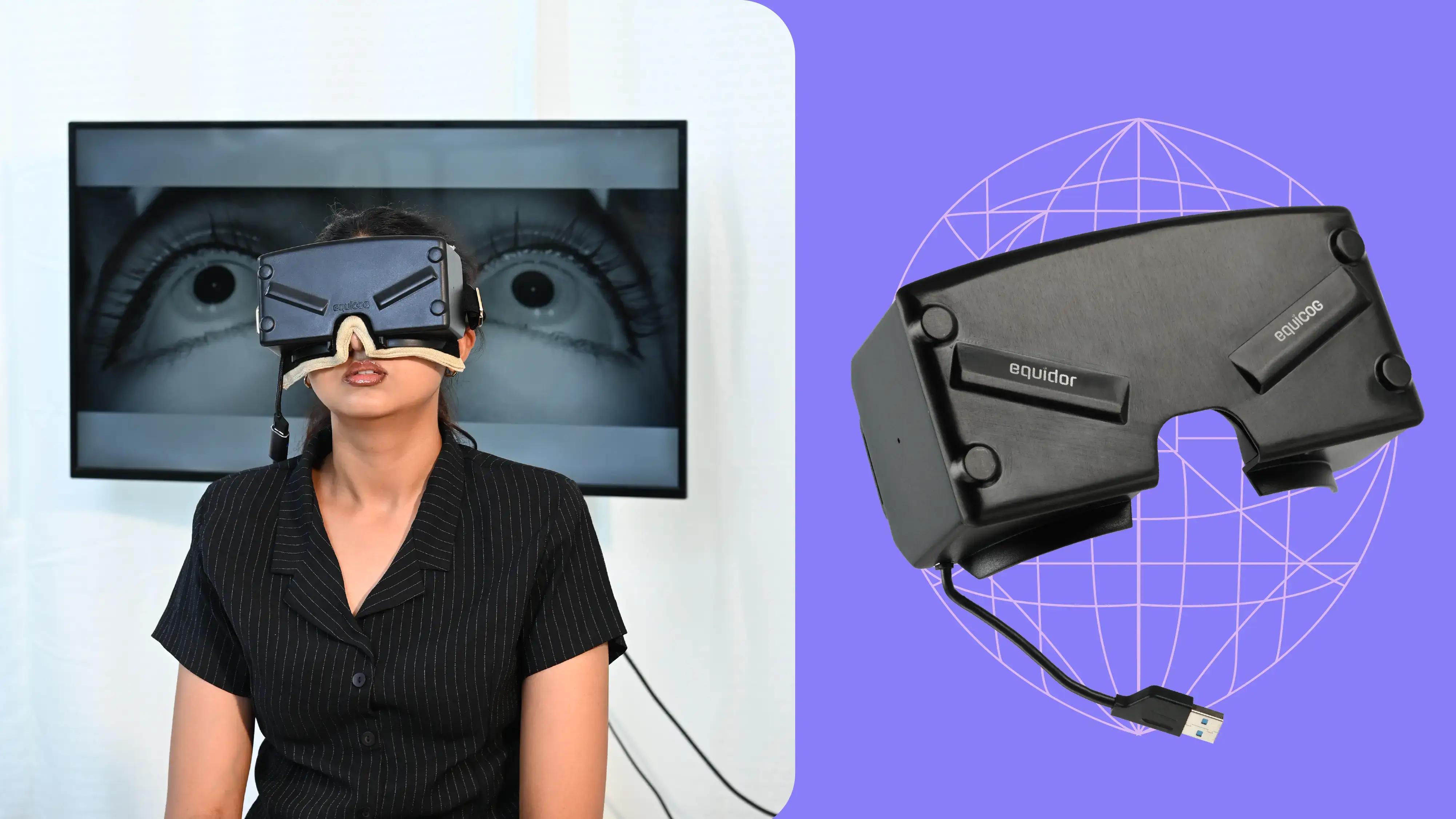
- Involuntary eye movements (nystagmus) during positional changes
Risks of Not Detecting and Treating Vertigo
Failure to diagnose the underlying cause of vertigo can lead to:
- Recurrent falls and fractures
- Chronic imbalance and fear of movement
- Prolonged sick leave and economic burden
- Anxiety, depression, and reduced quality of life
Current Diagnostic Landscape
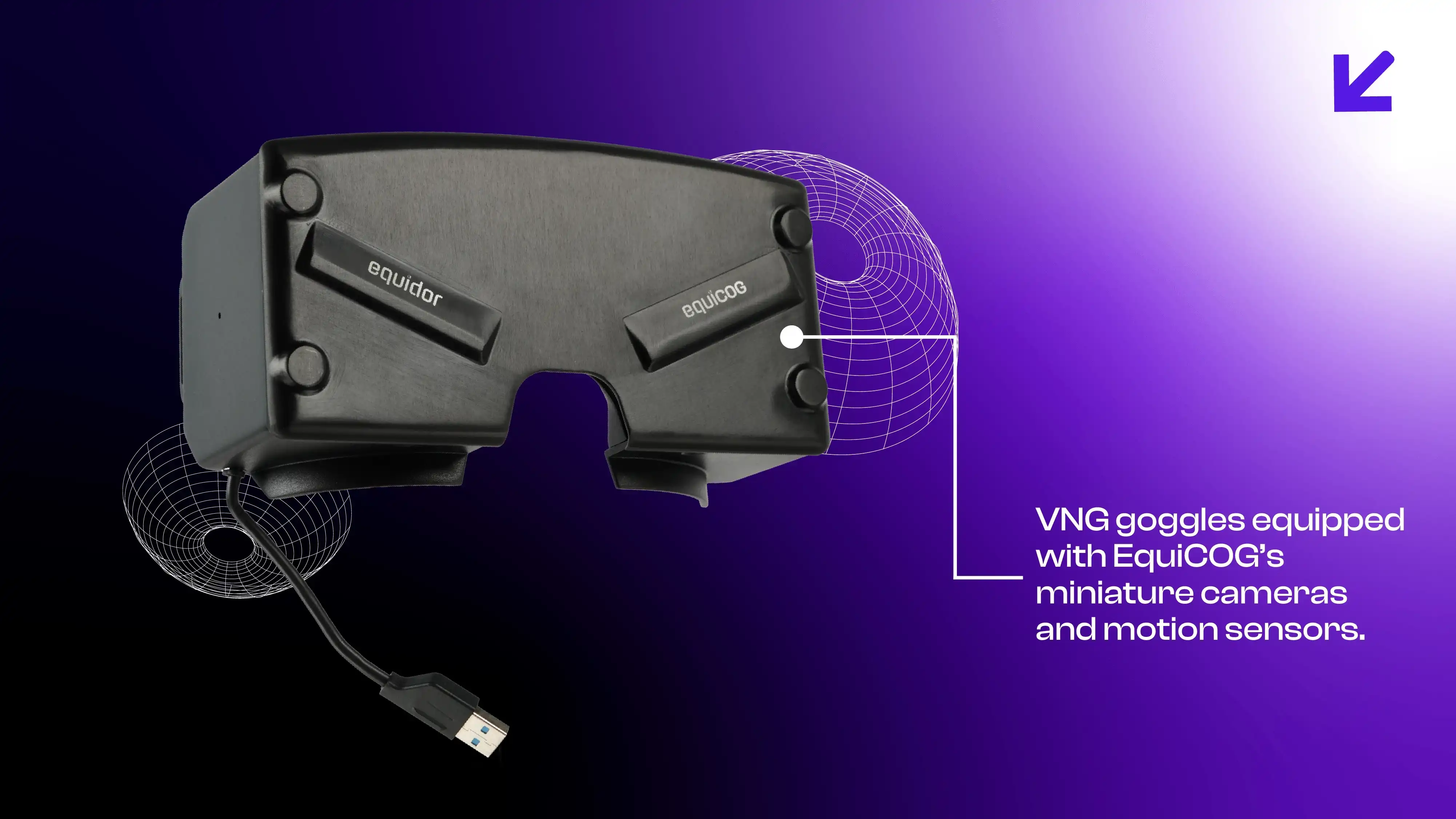
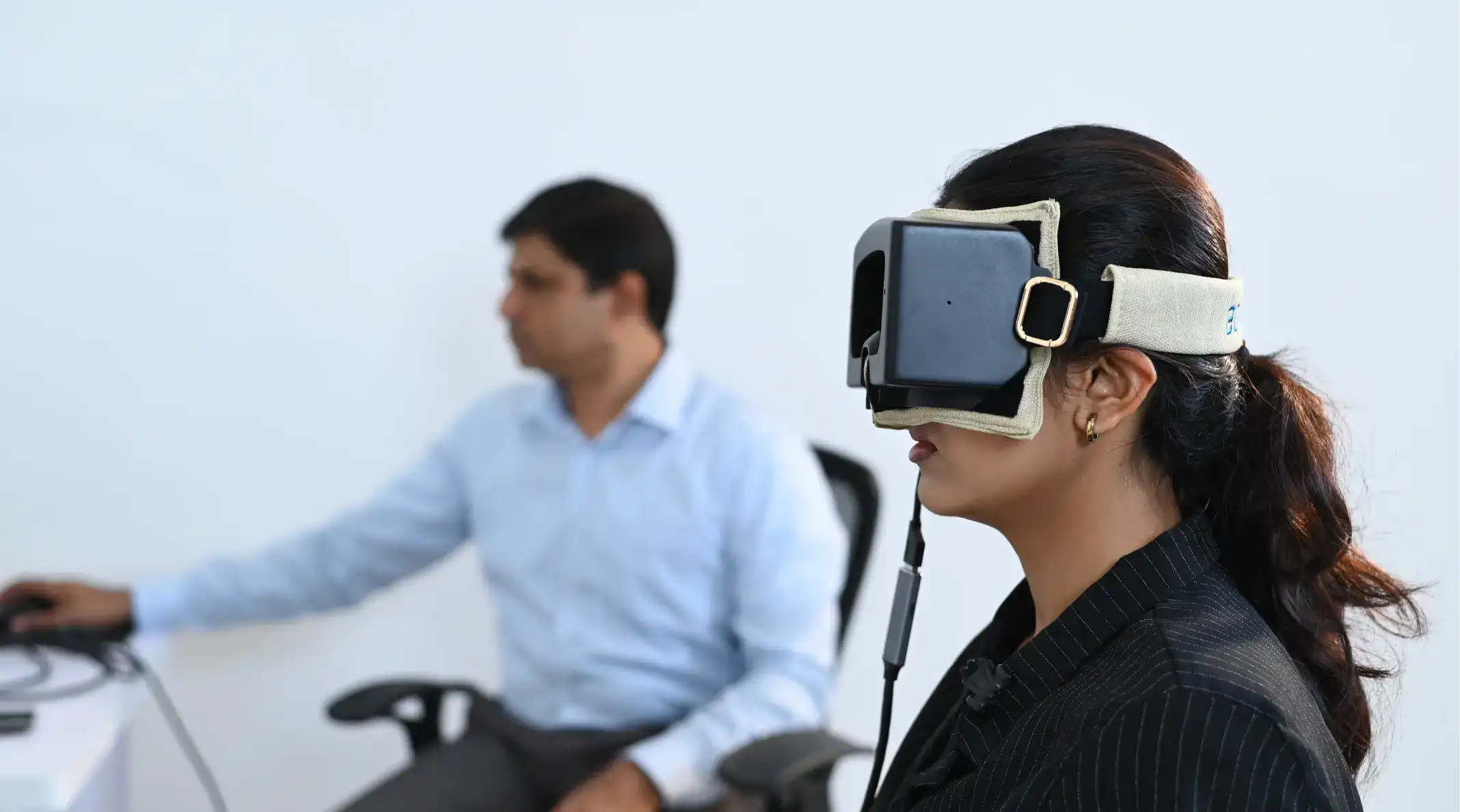
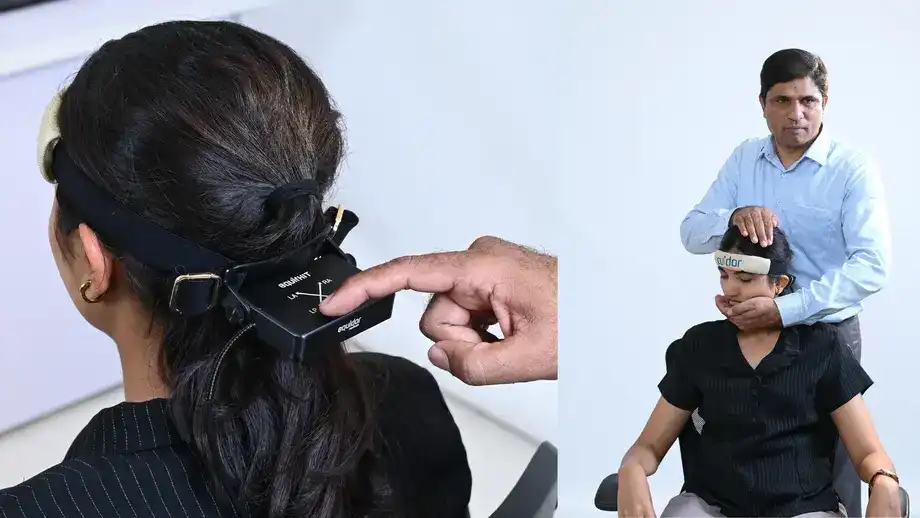
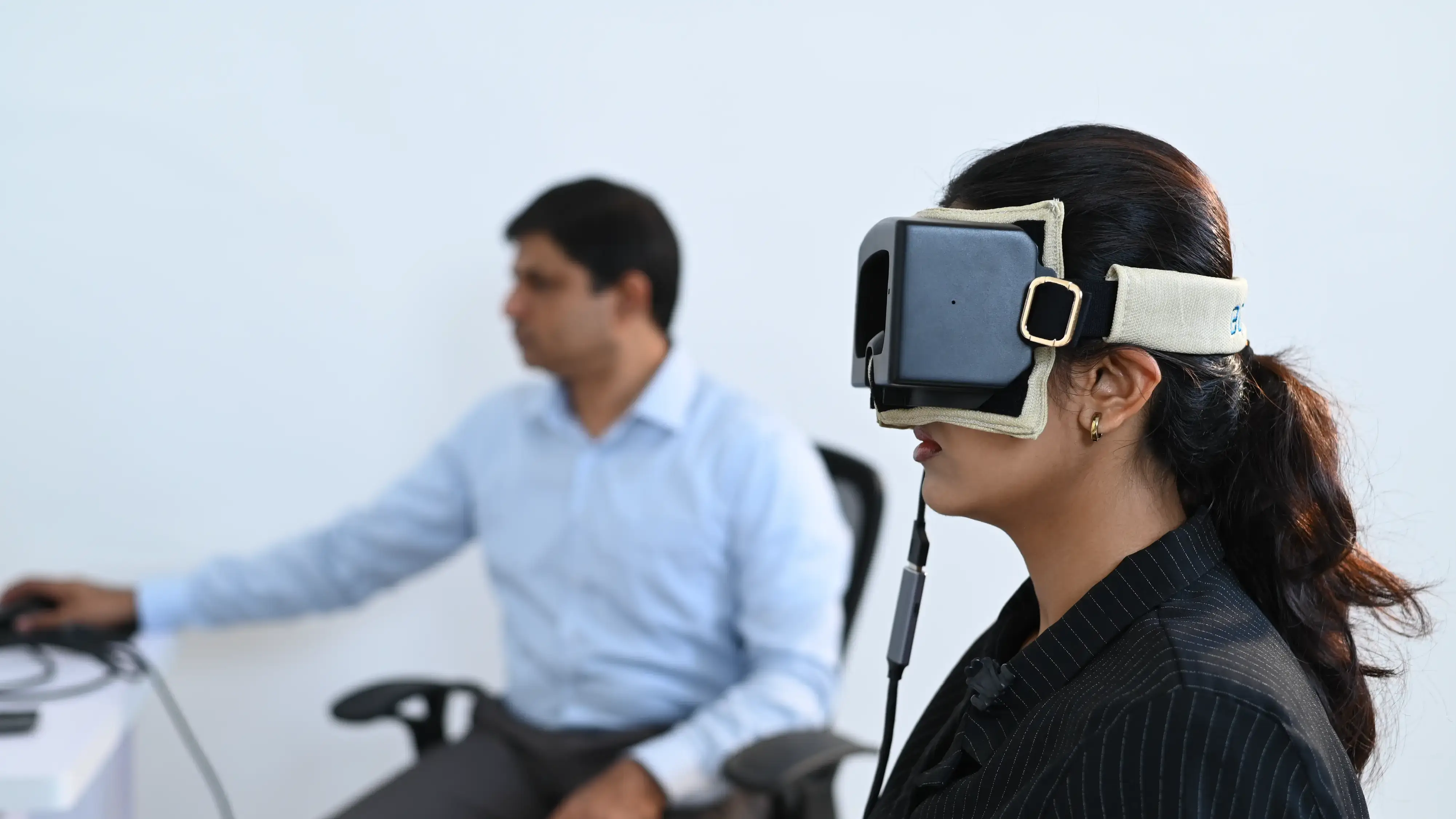
Clinicians typically begin with patient history and a physical exam. The Dix–Hallpike manoeuvre or Roll Test helps provoke positional nystagmus,3 which is often observed using VNG goggles. A standard VNG test provides basic videonystagmography data, but traditional systems can miss subtle torsional eye movements and lack integrated head tracking, limiting the depth of a comprehensive vestibular evaluation.
Innovation in Vertigo Diagnostics
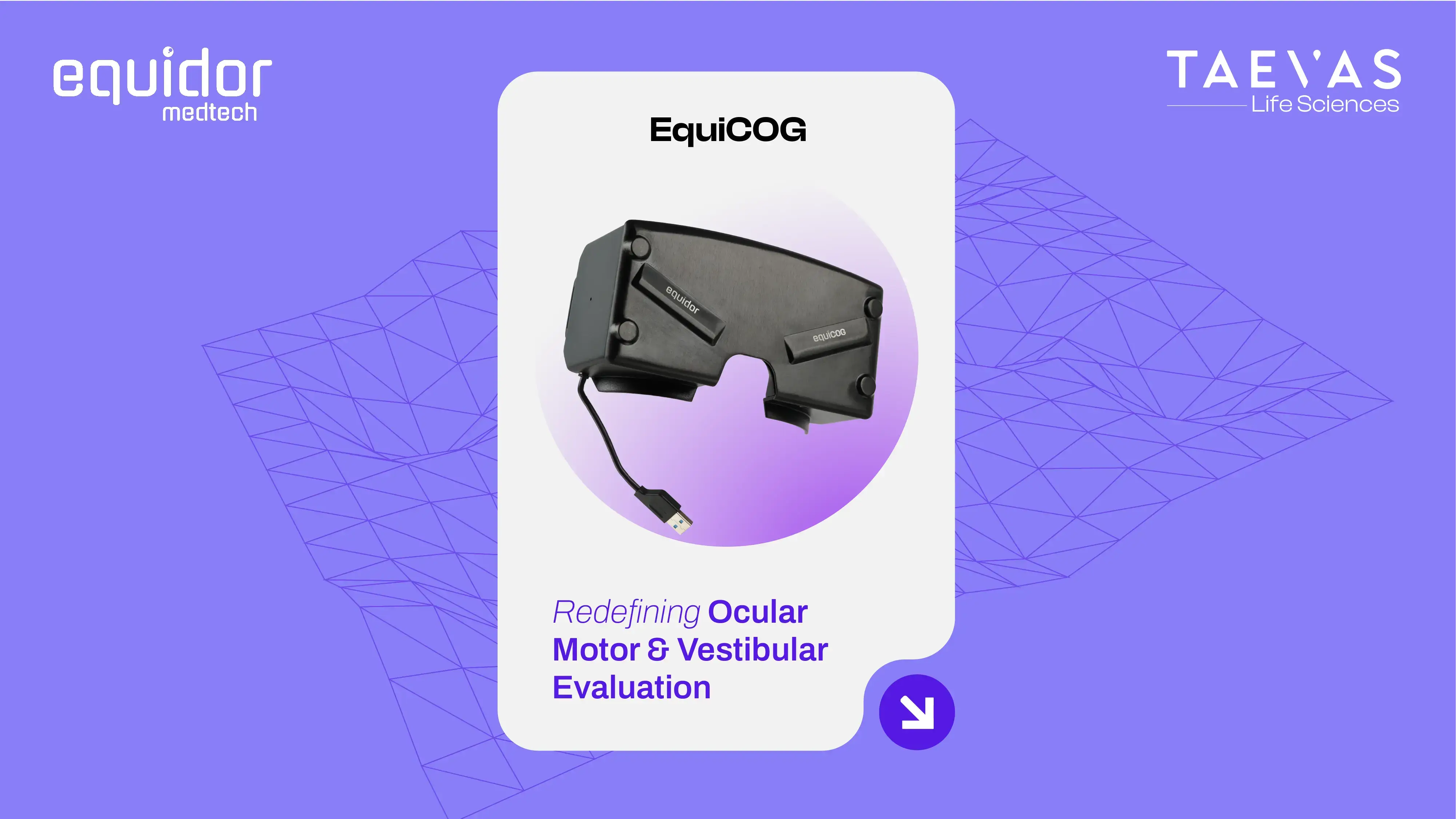
Enter EquiCOG, an advanced platform that redefines videonystagmography and vestibular assessment. By combining high-resolution eye tracking at 120 frames per second with real-time head tracking, EquiCOG captures precise positional nystagmus and subtle ocular torsion that older systems overlook. Its configurable protocols adapt to each patient’s presentation, guiding clinicians' step by step with on-screen prompts.
How EquiCOG Enhances Diagnostics
- Dual Tracking: Simultaneous recording of eye and head movements ensures every positional change is accurately mapped.
- High-Frequency Recording: At 120 FPS, micro-nystagmus and torsional shifts become clearly visible.
- Interactive Feedback: Real-time visual cues help clinicians perform tests—such as the Dix–Hallpike—more consistently.
- Advanced Analytics: Detailed grid traces, velocity charts, and slow phase measurements equip ENT specialists with actionable insights.
These features elevate the standard vestibular evaluation, making BPPV, vestibular neuritis, and other disorders easier to distinguish.
Take Action Now
If you or your patients struggle with dizzy spells, insist on a thorough vestibular assessment. Ask your clinician about eye movement tests using VNG goggles and the EquiCOG platform.
Schedule a Live Demo – Experience how advanced VNG equipment can improve vestibular diagnostics. Book Now
Accurate nystagmus tracking leads to confident diagnoses and faster relief.
References
- Kumar, K., Shaju, A. E., Premkumar, P. K., Ebenezer, A., & Roushan, R. (2021). Practice patterns of audiologists involved in assessment and management of vestibular disorders: An Indian cross-sectional survey. International Tinnitus Journal, 25(2), 137–142. https://doi.org/10.5935/0946-5448.20210022
- Newman-Toker, D. E., Curthoys, I. S., & Halmagyi, G. M. (2015). Diagnosing Stroke in Acute Vertigo: The HINTS Family of Eye Movement Tests and the Future of the "Eye ECG". Seminars in neurology, 35(5), 506–521. https://doi.org/10.1055/s-0035-1564298
- Bhattacharyya, N., Gubbels, S. P., Schwartz, S. R., Edlow, J. A., El-Kashlan, H., Fife, T., Holmberg, J. M., Mahoney, K., Hollingsworth, D. B., Roberts, R., Seidman, M. D., Steiner, R. W., Do, B. T., Voelker, C. C., Waguespack, R. W., & Corrigan, M. D. (2017). Clinical Practice Guideline: Benign Paroxysmal Positional Vertigo (Update). Otolaryngology--head and neck surgery : official journal of American Academy of Otolaryngology-Head and Neck Surgery, 156(3_suppl), S1–S47.