Introduction - What Is Balance and Why Does It Matter?
Balance is body’s ability to stay upright and steady, whether standing still or moving. As we age, the body’s ability to maintain balance gradually declines. Poor balance significantly increases the risk of falls, which can lead to serious injuries, loss of independence, and even long-term disability.1
Start Your Clinic’s Smarter Screening Today: Book a Demo of EquiCOG
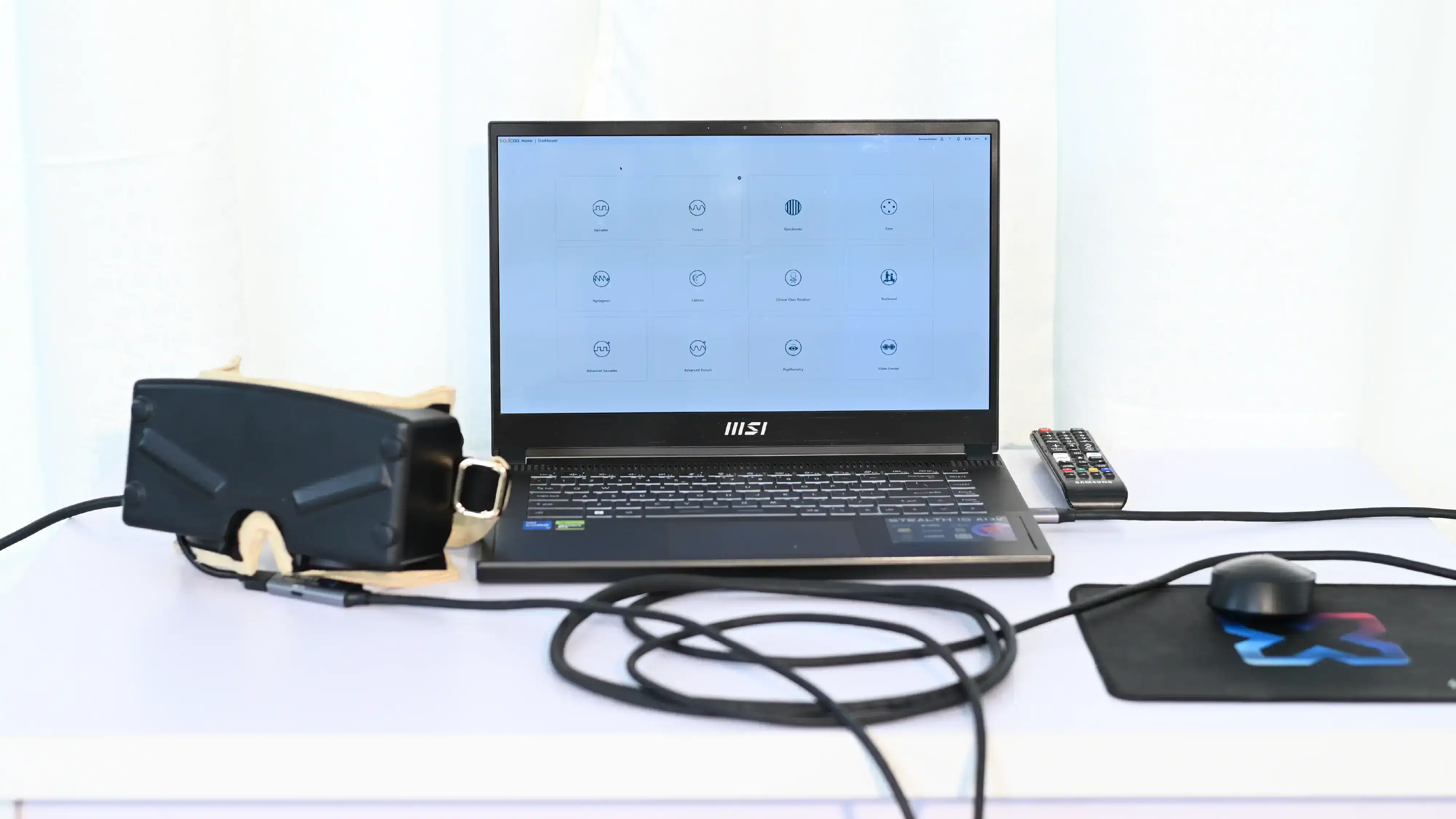
How We Maintain Balance: The Body’s Hidden System
Balance is a "multifaceted physiological process" that relies on co-ordination of eyes, the vestibular system in the inner ear and the nervous system. The vestibular system detects the mechanical forces like motion and gravity helping the body to maintain stable posture and balance while standing still, walking or running. It also helps in keeping a stable visual focus on objects when the body changes position. This seamless coordination is essential for everyday activities and overall mobility.2
How Common Are Balance Disorders and Why Should We Care?
An estimated 17-30% of individuals experience a balance disorder during their lifetime. These disorders are associated with increased risk of falling which substantially impacts morbidity and mortality, especially in older adults. But the challenges are not limited to aging alone but also linked to wide variety of psychiatric and neurological conditions. When sensory systems like vision, proprioception, or the vestibular system malfunctions, symptoms such as dizziness, unsteadiness, or vertigo may develop, affecting daily life and independence.3
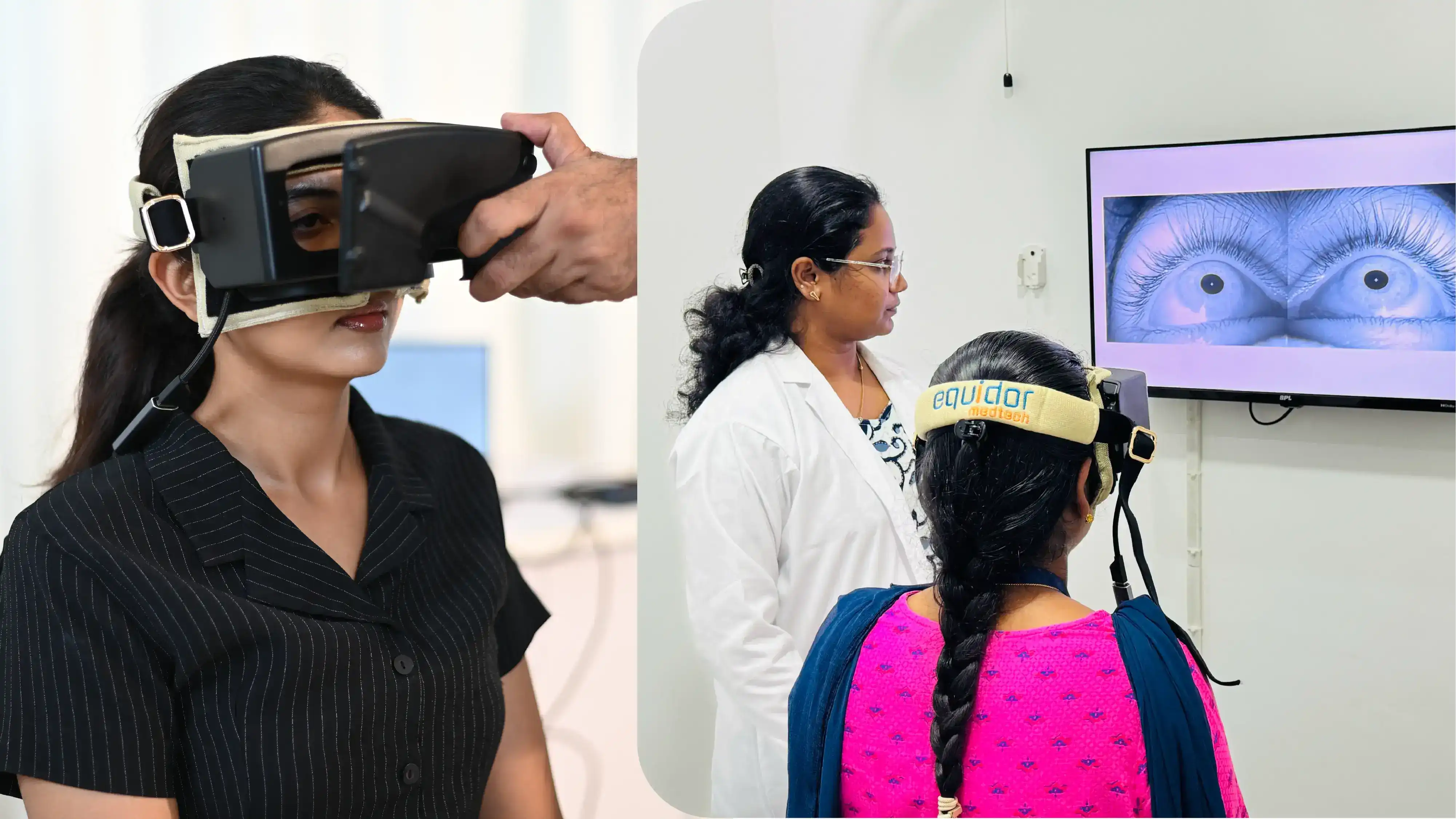
The Real-Life Toll of Balance Disorders
Balance disorders, especially neurological gait disorders are associated with recurrent falls, lower cognitive function, depressed mood, and diminished quality of life. There are more than a dozen different balance disorders with common ones including Benign paroxysmal positional vertigo (BPPV), Labyrinthitis, Ménière's disease, and Vestibular neuronitis.1,4,5
Beyond physical health, these disorders have a profound psychological and economic impact. patients with dizziness often report significantly lower mental and physical health scores even after adjusting for comorbidities. Among older patients’ dizziness can severely limit participation in daily activities while younger adults may face reduced productivity and missed workdays. Over (70%) patients with vertigo decrease their workload overall and even reported missing an average of 2 weeks at work due to their condition.6,7
The Power of Early Diagnosis and Rehab in Restoring Balance
Balance disorders often go unnoticed until they start to severely impact day to day activities, which is why early detection and proactive health management of balance issues is key to preventing falls and improving long-term outcomes. 8
Routine screening especially in older adults and patients with neurological or cardiovascular conditions, can help detect subtle balance impairments before they lead to serious consequences. Rehabilitation strategies, including vestibular therapy, strength training, and tailored exercise programs, can significantly improve stability and confidence. In clinical settings like cardiac or neurological rehab, it’s important to assess for musculoskeletal or balance limitations and adapt treatment plans accordingly. 9
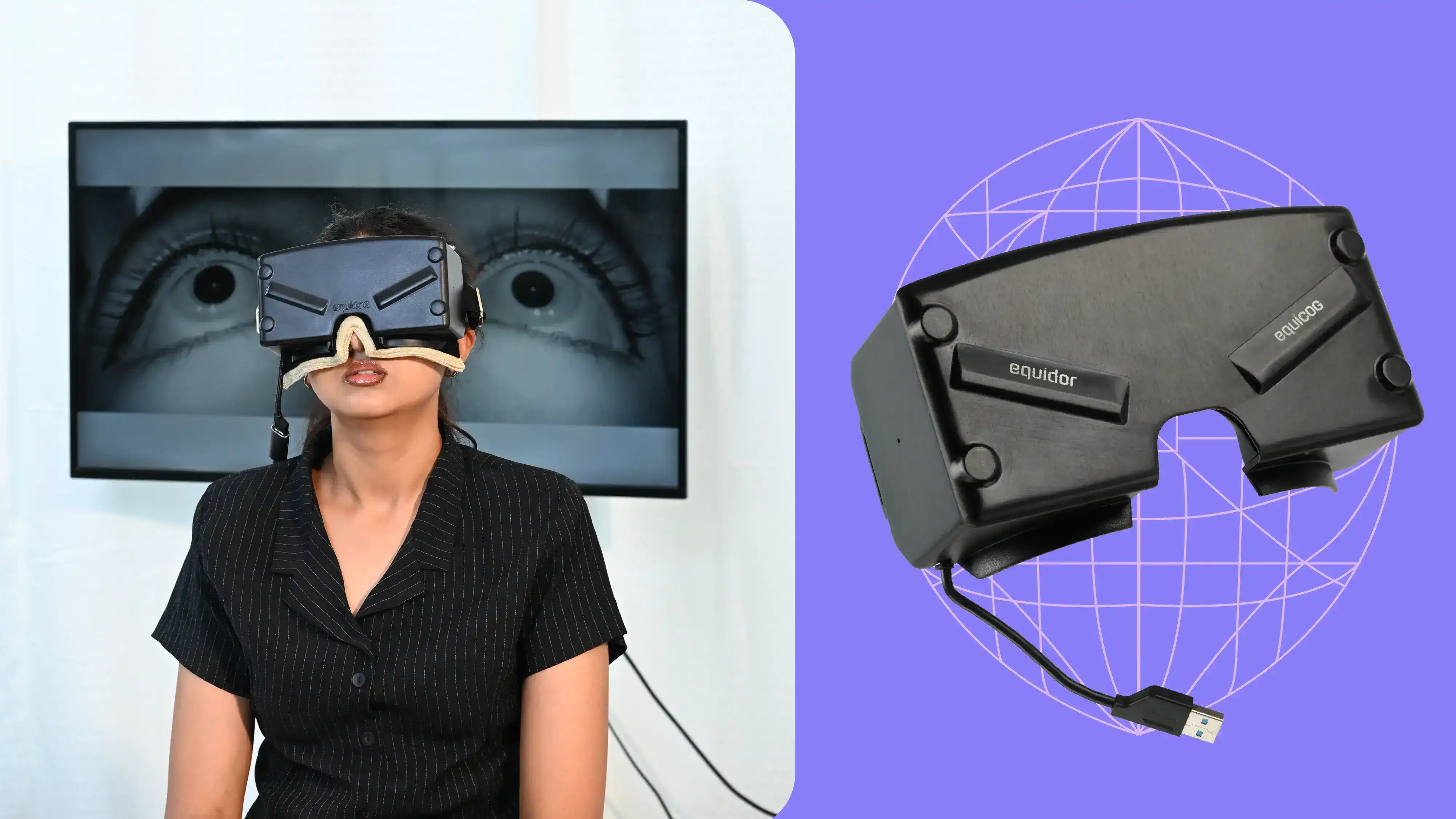
Unlike traditional VNG machines, EquiCOG tracks both eye and head movements simultaneously, providing a comprehensive vestibular evaluation. Learn More About EquiCOG
Why Diagnosing Balance Disorders Is So Tricky
Diagnosing balance disorders can be complex due to the intricate nature of the vestibular system and the variety of possible causes. While Romberg test is a classic method to evaluate balance more advanced diagnostics are needed which may include hearing examination to rule out inner ear issues, blood tests to detect underlying condition, Videonystagmography (VGN) tests to track eye movements and access vestibular function, Imaging studies like MRI and CT to examine the brain and inner ear and posturography where the patient stands on a movable platform to understand balance responses and evaluate the cause of your balance problem.10,11
While tools like the Romberg test, video nystagmography, and posturography are valuable, they come with limitations:12,13
- Fragmented assessment: Many tests evaluate only one aspect of balance (e.g., vestibular function or visual tracking), rather than providing a holistic view.
- Specialized equipment: Tests like posturography require expensive, space-consuming equipment that may not be available in primary care or rural settings.
- Time-consuming and resource-intensive: Comprehensive vestibular evaluations often require multiple appointments, referrals, and coordination between specialists.
- Limited accessibility: Older adults or patients with mobility issues may find it difficult to undergo certain tests, especially those requiring travel to specialized centers.
- Delayed diagnosis: Because symptoms like dizziness are non-specific, patients often undergo a long diagnostic journey before receiving targeted treatment.
A Smarter Way to Screen for Balance Issues- EquiCOG 14
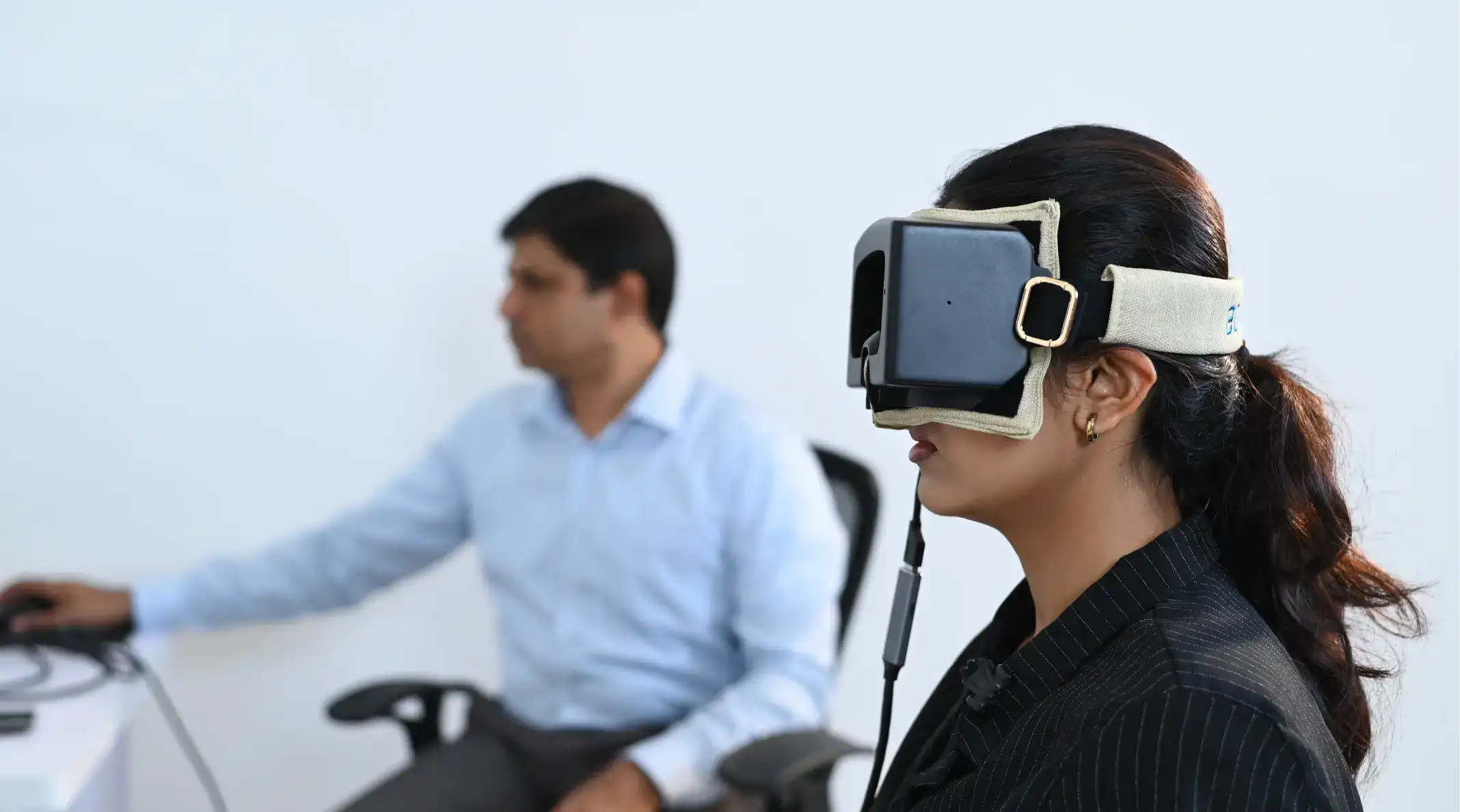
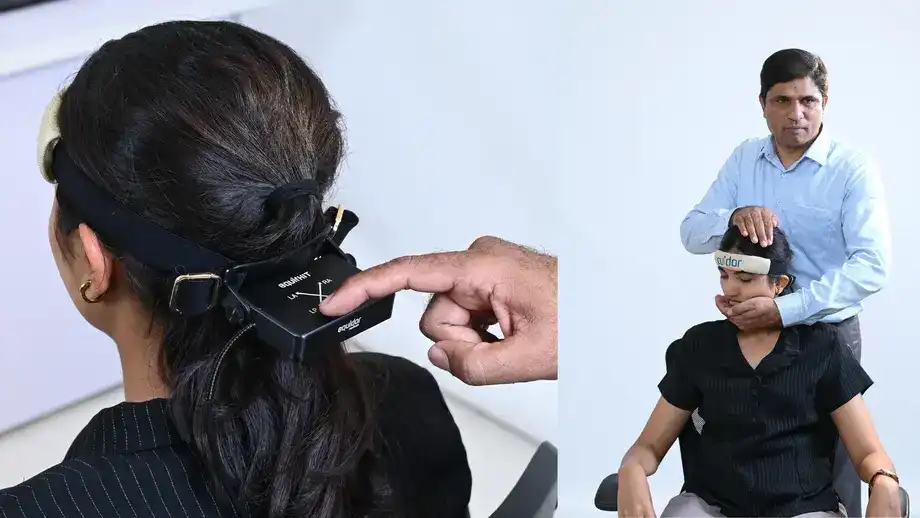
EquiCOG offers balance assessment by providing a truly holistic evaluation. Most ENT Clinics are adopting EquiCOG for routine balance screenings as it simultaneously tracks both eye and head movements, enabling a 360° view of vestibulo-ocular function. During positional tests, the device provides real-time feedback of head angles along with upcoming step prompts. This comprehensive approach allows clinicians to accurately distinguish between central and peripheral causes of balance disorders, something that traditional methods often struggle with.
With high-precision technology like 120 frames-per-second dual-eye recording and torsional trace analysis, EquiCOG can detect subtle abnormalities that might otherwise go unnoticed. The system is designed not just for accuracy, but also for patient comfort. Real-time visual prompts guide individuals through the process, making the experience more engaging and cooperative, especially for older adults or those unfamiliar with clinical testing.
Comprehensive Protocol Support
EquiCOG offers configurable positional protocols, including:
- Ocular Motor Tests
- Vestibular Function Tests
- Advanced Protocols: Video Frenzel mode, Pupillometry, Advanced Saccades & Pursuit, Head Impulse/Functional VOR
This broad protocol support enhances vestibular evaluation and streamlines VNG testing in ENT clinics.
Comfortable, Compact, and Clinically Powerful
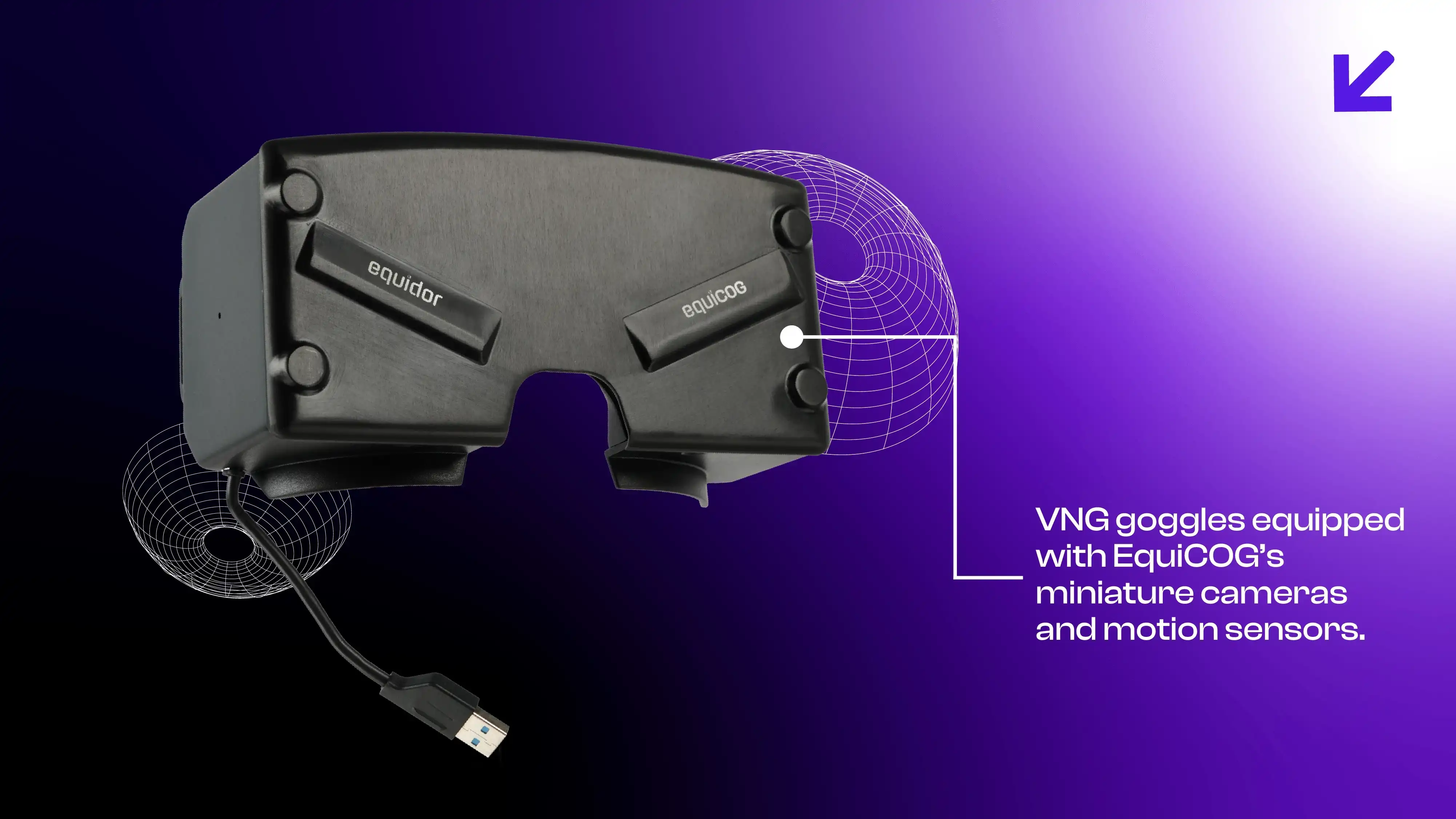
It is Sleek goggles like headsets house infrared cameras for each eye and motion sensors for the head to enable precise tracking during balance assessments. It supports all positional tests, and the intuitive software interface ensures that results are easy to interpret and report making routine vestibular assessment more accessible, efficient, and effective for both clinicians and patients.
Altogether, EquiCOG streamlines the diagnostic process, enhances patient experience, and empowers healthcare professionals with clearer, faster insights into balance-related issues.
Take Action Now
Whether you’re a healthcare professional aiming to streamline diagnostics or a patient concerned about balance issues, EquiCOG offers smarter, more accessible balance screenings.
Ready for Smarter Balance Screening? Book Your Demo Today
Better Balance Starts with Better Tools.
References:
- Balance disorders (no date a) National Institute of Deafness and Other Communication Disorders. Available at: https://www.nidcd.nih.gov/health/balance-disorders (Accessed: 05 September 2025).
- How’s your balance? here’s what that could mean for heart and Brain Health (2025) www.heart.org. Available at: https://www.heart.org/en/news/2025/03/19/hows-your-balance-heres-what-that-could- mean-for-heart-and-brain-health (Accessed: 05 September 2025).
- Surgent, O.J. et al. (2019) Balance and the brain: A review of structural brain correlates of postural balance and balance training in humans, Gait & posture. Available at: https://pmc.ncbi.nlm.nih.gov/articles/PMC6594858/ (Accessed: 05 September 2025).
- Author links open overlay panelHaomiao Jia a et al. (2019) Prevalence, risk factors, and burden of disease for falls and balance or walking problems among older adults in the U.S., Preventive Medicine. Available at: https://www.sciencedirect.com/science/article/abs/pii/S0091743519301999 (Accessed: 05 September 2025).
- Mahlknecht, P. et al. (no date) Prevalence and burden of gait disorders in elderly men and women aged 60–97 years: A population-based study, PLOS ONE. Available at: https://journals.plos.org/plosone/article?id=10.1371%2Fjournal.pone.0069627 (Accessed: 05 September 2025).
- Benefits of balance: Why is it important? Available at: https://www.bupa.co.uk/newsroom/ourviews/benefits-of-balance (Accessed: 05 September 2025).
- Mitchell, M.B. and Bhattacharyya, N. (2023) Balance disorder trends in US adults 2008-2016: Epidemiology and functional impact, OTO open. Available at: https://pmc.ncbi.nlm.nih.gov/articles/PMC10242407/ (Accessed: 05 September 2025).
- Balance problems: Causes, diagnosis & improvement tips (2025) Harvard Health. Available at: https://www.health.harvard.edu/topics/balance (Accessed: 05 September 2025).
- Medicine, D. of I. (no date) Prevalence of musculoskeletal and balance disorders in... : Journal of Cardiopulmonary Rehabilitation and Prevention, LWW. Available at: https://journals.lww.com/jcrjournal/abstract/2010/07000/prevalence_of_musculoskeletal_and_balance.4.aspx (Accessed: 05 September 2025).
- AI;, L.N. (no date) Clinical Romberg testing does not detect vestibular disease, Otology & neurotology : official publication of the American Otological Society, American Neurotology Society [and] European Academy of Otology and Neurotology. Available at: https://pubmed.ncbi.nlm.nih.gov/20502374/ (Accessed: 05 September 2025).
- Bhandari, Dr Anita. “Meniere’s Disease.” Neuroequilibrium, 22 Sept. 2024, www.neuroequilibrium.in/balance-awareness-week-2024-understanding-and-identifying-balance-disorders/. Accessed 5 Sept. 2025.
- Balance Assessment Test | Ear Nose & Throat (ENT) | Bon Secours.” Bonsecours.com, 2025, www.bonsecours.com/health-care-services/ear-nose-throat-ent/treatments/balance-assessment-test.
- Furman, J. M. “Posturography: Uses and Limitations.” Bailliere’s Clinical Neurology, vol. 3, no. 3, 1 Nov. 1994, pp.501–513, pubmed.ncbi.nlm.nih.gov/7874405/. Accessed 14 Nov. 2021.
- EquiCOG - Taevas Life Sciences.” Taevas Life Sciences, July 2025, www.taevasglobal.com/product-equicog/. Accessed 5 Sept.2025.