Introduction
Dizziness and vertigo send thousands of Indians to OPDs each year; multicentre and clinic-based studies show vestibular (inner-ear) causes, particularly BPPV, dominate new-onset cases, underscoring the need for fast, reliable tests that can be used at the point of care.[1],[2]
At the heart of accurate assessment is the vestibulo ocular reflex, the brain’s auto-stabiliser that keeps vision clear when the head moves. When this reflex falter, patients see blur or feel the world spin.
Learn how EquiFHIT can transform VOR testing for your patients in India – Request a Demo today.
What is the vestibulo-ocular reflex
The VOR makes your eyes move equal and opposite to your head, so words on a sign stay clear even when you nod or turn. If the VOR is weak in one or more semicircular canals (inner-ear sensors), patients can feel vertigo, lose balance, or struggle to read while moving.
What are the signs and symptoms of impaired VOR
- Sudden spinning, unsteadiness, or “giddiness”
- Blurred vision during head turns; trouble reading street signs while walking
- Nausea/vomiting, intolerance to head movement
- Falls or near-falls, particularly in older adults
- Other neurological red flags (double vision, limb weakness, severe headache) suggest urgent evaluation
Risks of not detecting and treating
Missing a central cause can be life-threatening. Bedside tools like the HINTS exam (when performed by trained clinicians) can help separate peripheral from central causes and reduce over-reliance on imaging.[3] The accuracy of diagnosis improves when combined with objective VOR measurements.
Current diagnostic landscape
Conventional pathways mix bedside tests, positional maneuvers, audiovestibular tests, and the vHIT device (video head impulse test) to measure high-frequency VOR “gain” in each canal; consensus criteria (Bárány Society) use vHIT to support diagnoses like bilateral vestibulopathy (e.g., gain <0.6 in both lateral canals).[4] vHIT has matured across multiple commercial systems and is valued because it assays each semicircular canal quickly, in clinic.[5]
The innovation angle - Meet EquiFHIT
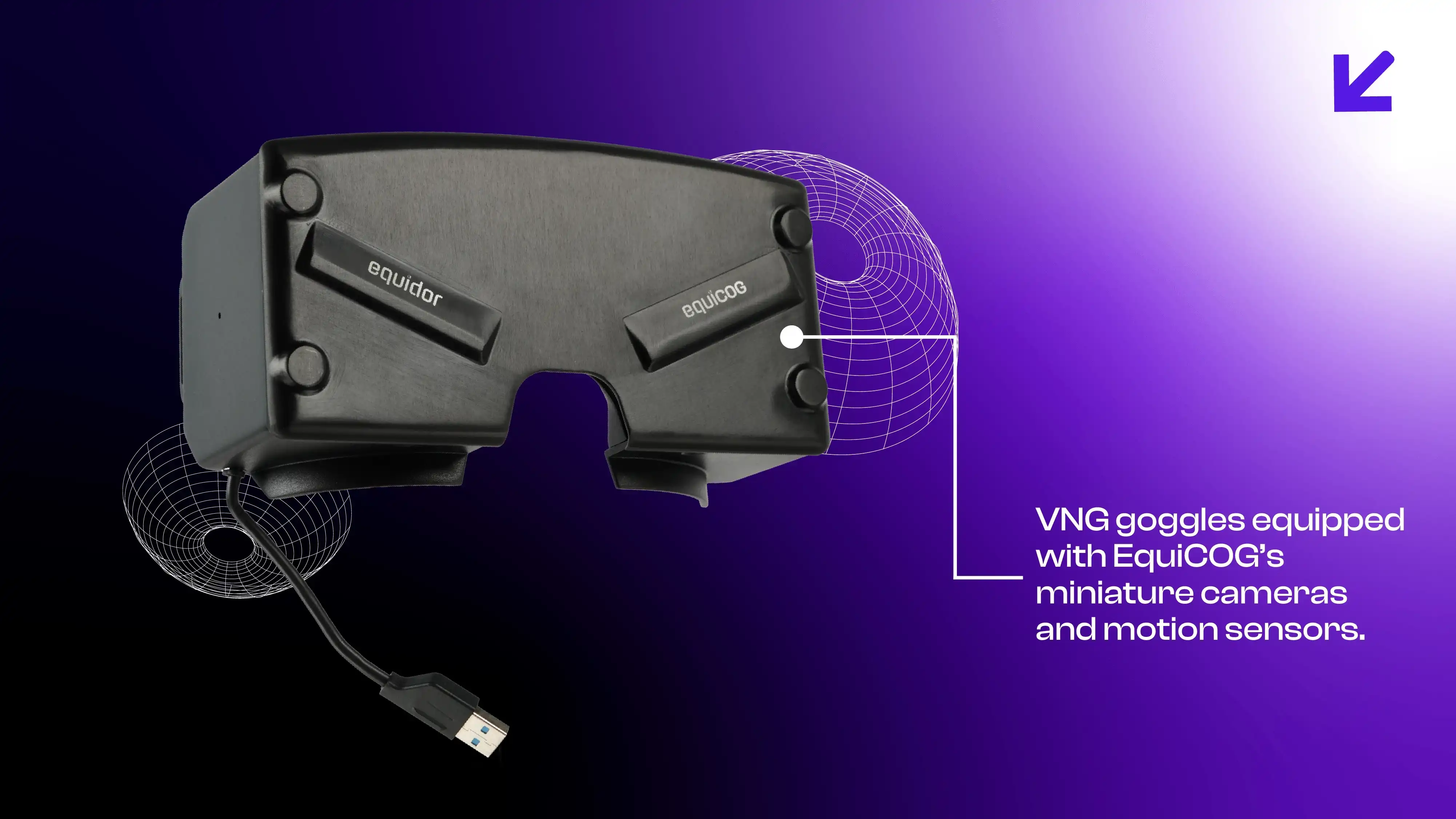
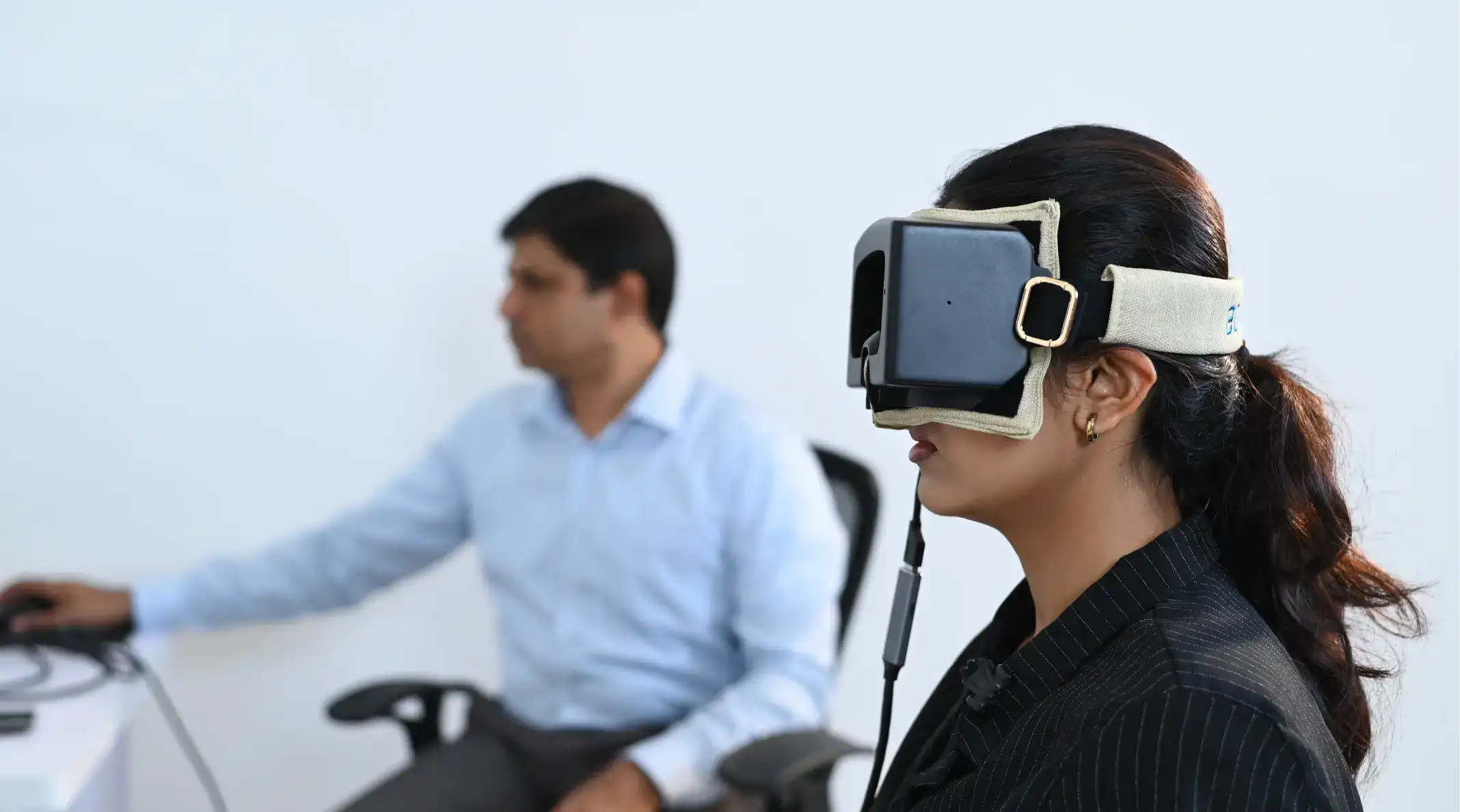
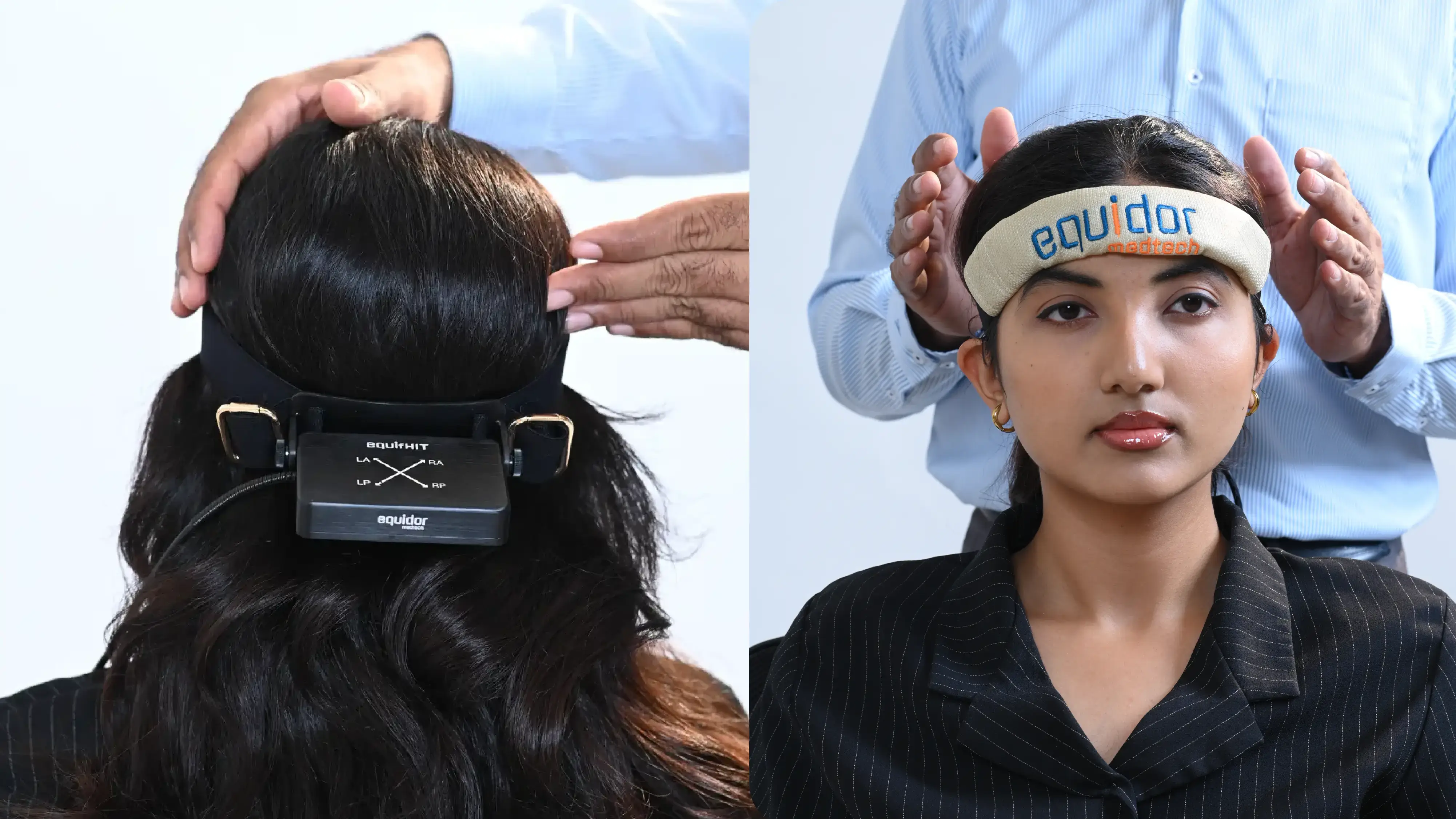
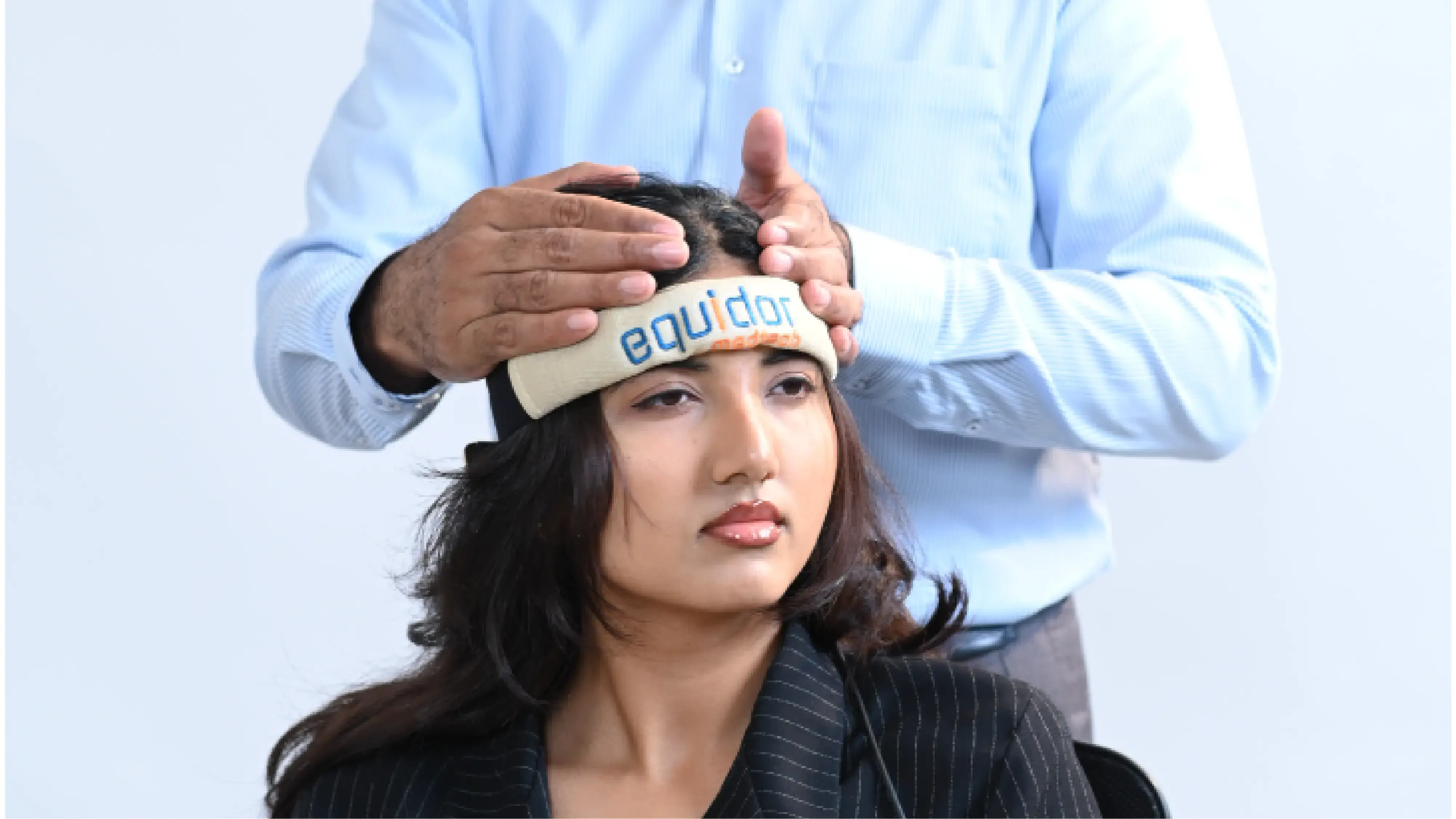
EquiFHIT (Functional Head Impulse Test) elevates VOR testing by coupling precise head-motion sensing with momentary optotype presentation so that a patient can only identify the symbol if the VOR holds the image clear at the exact peak of head velocity. This links physiology (eye–head compensation) directly to function (can the patient read?), canal by canal.
How EquiFHIT works
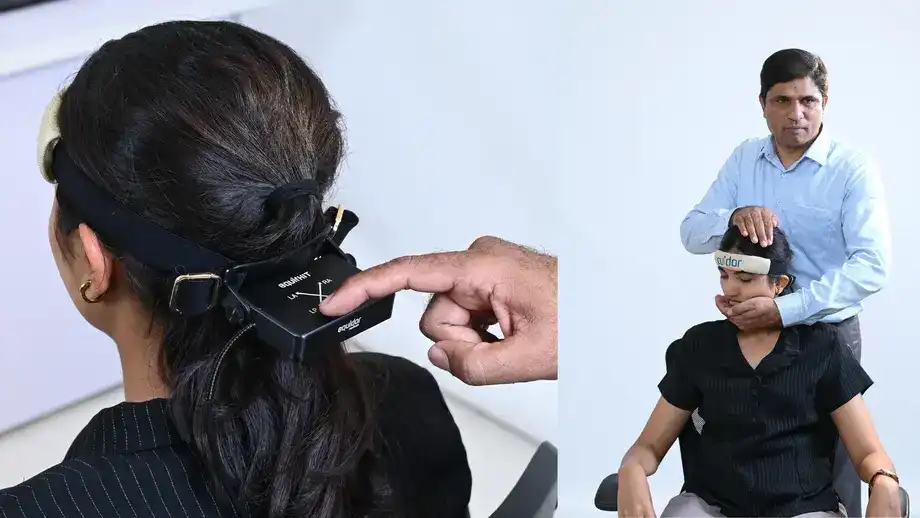
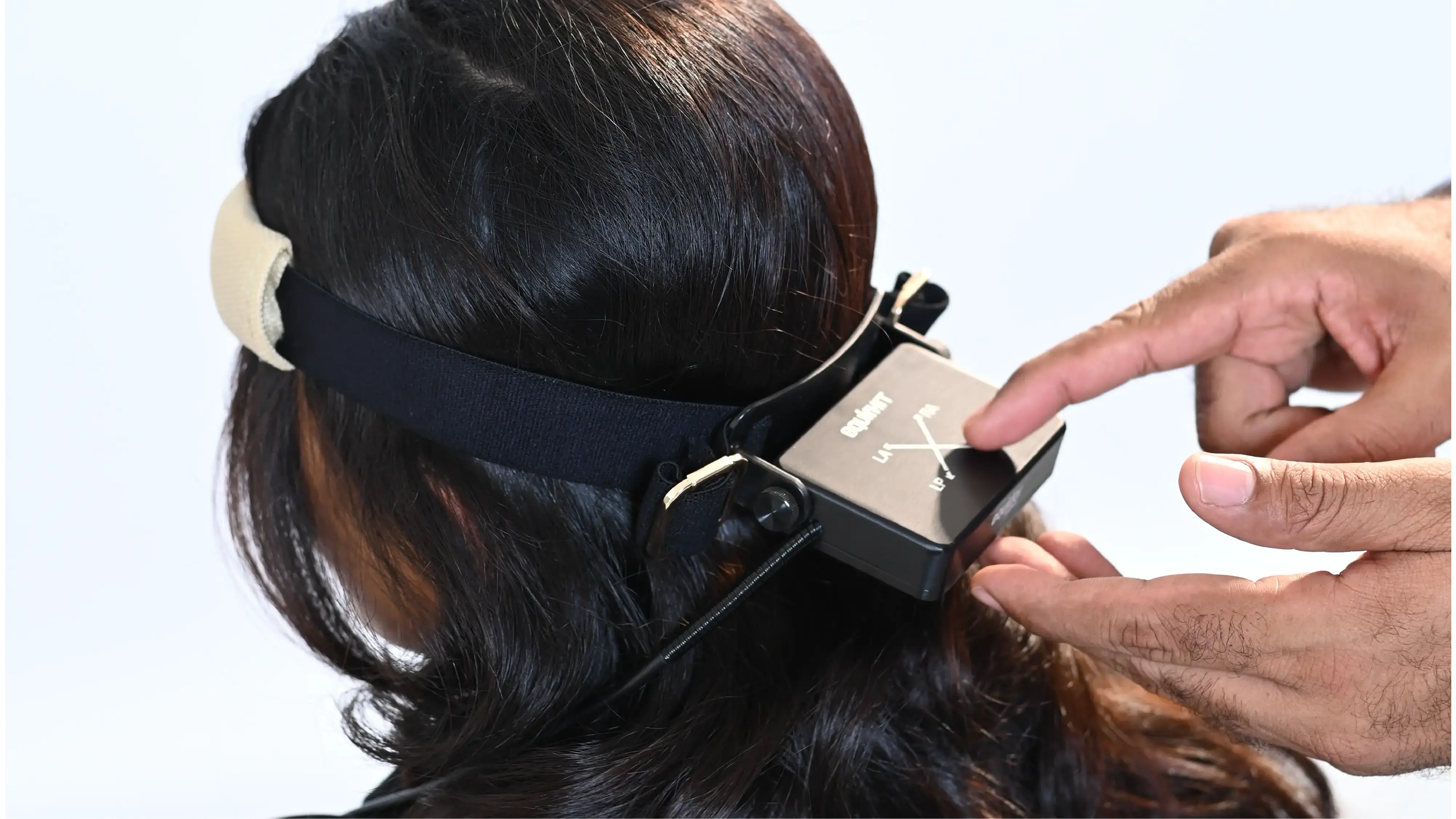
- Head-mounted, high-precision sensors capture angular velocity in three planes -horizontal, LARP, and RALP - to align tests with individual canal anatomy.
- Peak-velocity timing: Optotypes appear only at the peak of head rotation and vanish as velocity drops, ensuring results truly reflect canal-specific VOR performance.
- Automatic rejection discards suboptimal impulses for cleaner data.
- Inclusive optotypes: Standard Snellen letters and Landolt C symbols support both English-literate and non-literate patients - practical for Indian clinics.
- Clear outputs: Each canal is tested individually, and the scores (correct out of 10) are color-coded: green (normal), yellow (borderline), and red (low) with automatic, per-canal reporting.
Struggling with misdiagnosed dizziness or repeated OPD visits? Learn how functional head impulse test like EquiFHIT bridges physiology and function for precise results.
Why this matters
- Physiology-to-function bridge: Unlike pure eye-tracking, EquiFHIT ties VOR integrity to what patients see at speed - helpful for real-world complaints like “blur while turning.”
- Canal-by-canal clarity: Pinpoints which canal is deficient, aiding targeted therapy (e.g., canal-specific manoeuvres for BPPV or rehabilitation).
- Clinic-ready workflow: Fast setup, automatic quality control, and intuitive reports suit busy ENT practices.
How EquiFHIT complements today’s toolkit
Used alongside bedside exams (e.g., HINTS) and standard vHIT device measures of gain, EquiFHIT’s functional readouts can strengthen decisions about vertigo diagnosis, rehabilitation need, and referral, helping clinicians distinguish peripheral patterns from features that suggest central disease.
Take Action Now
Patients and caregivers: If giddiness, imbalance, or blurred vision with head turns keep returning or if red flags appear, seek ENT evaluation promptly. Early VOR testing India assures accurate care.
General practitioners, clinics, and hospitals: Consider quick screening and timely ENT referral for recurrent or disabling dizziness. BPPV diagnosis remains the leading clinic diagnosis in India, but don’t miss central causes. Add EquiFHIT to your ENT vestibular tools for fast, canal-specific, function-linked VOR testing India. It pairs well with existing vHIT devices and reporting workflows.
Upgrade Your ENT Diagnostic Device in India – Try EquiFHIT Today!
References
- Kameswaran, M., Pujari, S., Singh, J., Basumatary, L. J., Sarda, K., & Pore, R. (2017). Clinicoetiological pattern and pharmacotherapy practices in patients with new onset vertigo: Findings from a prospective multicenter registry in India. *International Journal of Otorhinolaryngology and Head and Neck Surgery*, *3(2), 404–413. https://doi.org/10.18203/issn.2454-5929.ijohns20171202
- Sooria, N. D., & Gopal, R. M. (2023). Dizziness Among Population in a Tertiary care Centre in Maduranthagam. Indian journal of otolaryngology and head and neck surgery : official publication of the Association of Otolaryngologists of India, 75(Suppl 1), 222–224. https://doi.org/10.1007/s12070-022-03327-3
- Qiu, T., Dai, X., Xu, X., Zhang, G., Huang, L., & Gong, Q. (2022). A prospective study on the application of HINTS in distinguishing the localization of acute vestibular syndrome. BMC neurology, 22(1), 378. https://doi.org/10.1186/s12883-022-02904-x
- Smiley, K., Yoo, M. J., & Long, B. (2024). Are the HINTS and HINTS Plus Examinations Accurate for Identifying a Central Cause of Acute Vestibular Syndrome?. Annals of emergency medicine, 84(1), 60–62. https://doi.org/10.1016/j.annemergmed.2024.01.027
- Salmito, M. C., & Ganança, F. F. (2021). Video head impulse test in vestibular migraine. Brazilian journal of otorhinolaryngology, 87(6), 671–677. https://doi.org/10.1016/j.bjorl.2019.12.009