When Spinning Isn’t Just in Your Head
When Rajesh, a 52-year-old accountant in Pune, started experiencing sudden, violent spinning sensations and headaches at work, his family thought it was just an ear problem.
Weeks later, persistent dizziness and unsteadiness led to a neurological evaluation—revealing a central cause originating in the brain, not the inner ear.
Rajesh’s story highlights a dangerous reality: not all vertigo is benign, and relying solely on the “peripheral vs central” label can delay life-saving intervention.
Struggling to accurately differentiate vertigo causes? Discover how EquifHIT Functional Head Impulse Test Device by Taevas Life Sciences delivers objective, canal-specific VOR assessment.
Request a Demo
https://taevaslifesciences.com/vestibulo-ocular-reflex-vor-testing-device#get-in-touch-with-us
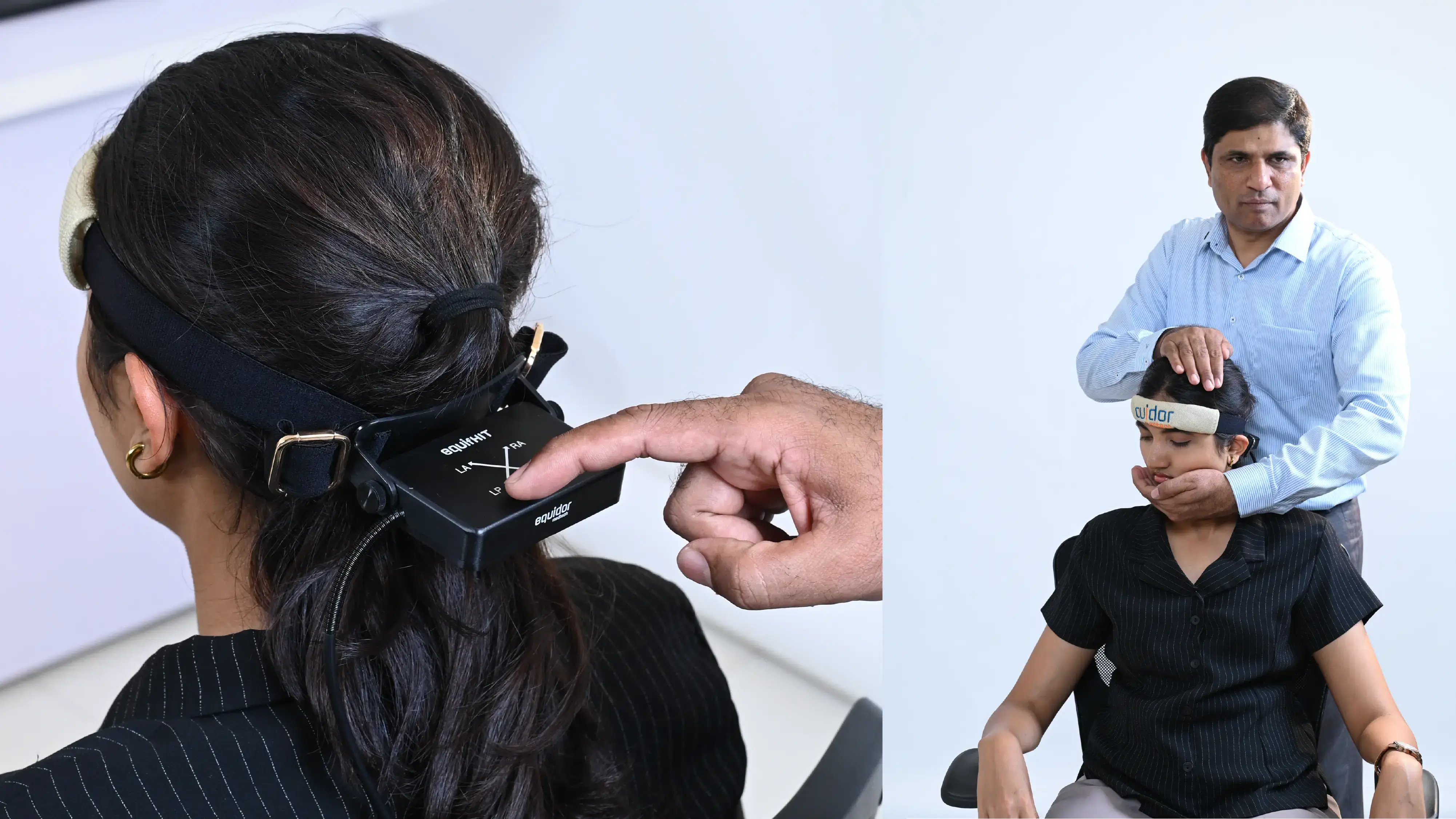
The Dizzying Truth
Vertigo is more than just feeling dizzy; it’s a powerful, unsettling sensation that you or your surroundings are spinning or moving. While peripheral vertigo, like Benign Paroxysmal Positional Vertigo (BPPV), and vestibular neuritis start in the inner ear, central vertigo originates in the brain. The difference matters: central vertigo can be a sign of a stroke, multiple sclerosis, or even a brain tumor. Missing these red flags can lead to permanent disability or worse.
What Is the Difference Between Peripheral and Central Vertigo?
Peripheral vertigo originates in the inner ear and is usually benign, while central vertigo originates in the brain and may signal serious neurological disease. Although this distinction matters clinically, depending on this classification alone is often insufficient for accurate diagnosis, especially in acute settings.
Diagnostic Confusion in Real-World Practice
In India, vertigo misdiagnosis remains alarmingly common. Studies report that up to 81% of vestibular disorders are incorrectly classified, particularly in emergency and primary care settings.
Why this happens
- Overlapping symptoms between ear and brain causes
- Limited access to rapid imaging
- High reliance on examiner expertise
- Lack of functional VOR testing
Did You Know?
Up to 81% of vestibular disorders are misclassified in emergency settings, delaying identification of central causes such as stroke.
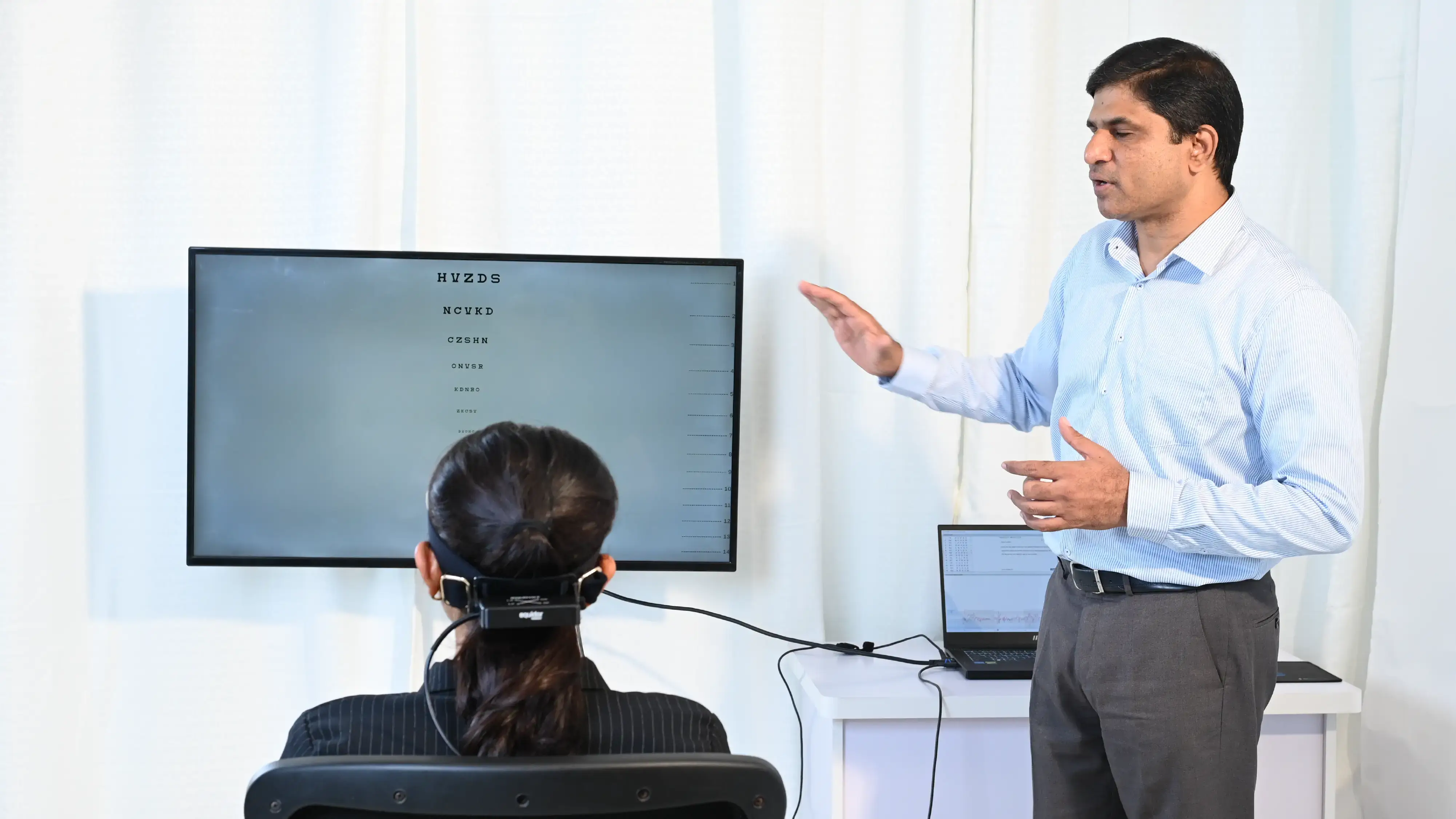
Peripheral vs Central Vertigo: Why Accurate Diagnosis Matters
Common clinical challenges
- BPPV and vestibular neuritis can mimic stroke
- Central vertigo is often mistaken for ear-related dizziness
- Delayed intervention worsens outcomes
Peripheral disorders
- Usually do not require imaging
- Diagnosed clinically (e.g., Dix-Hallpike test)
- Early treatment prevents falls and recurrence
Central disorders
- Require urgent neurological care
- Misdiagnosis delays stroke management
- HINTS examination helps differentiate stroke from neuritis
Clinical insight
Physicians skilled at identifying peripheral causes are often better at recognizing central pathology. Ruling out peripheral vertigo increases suspicion for central causes.
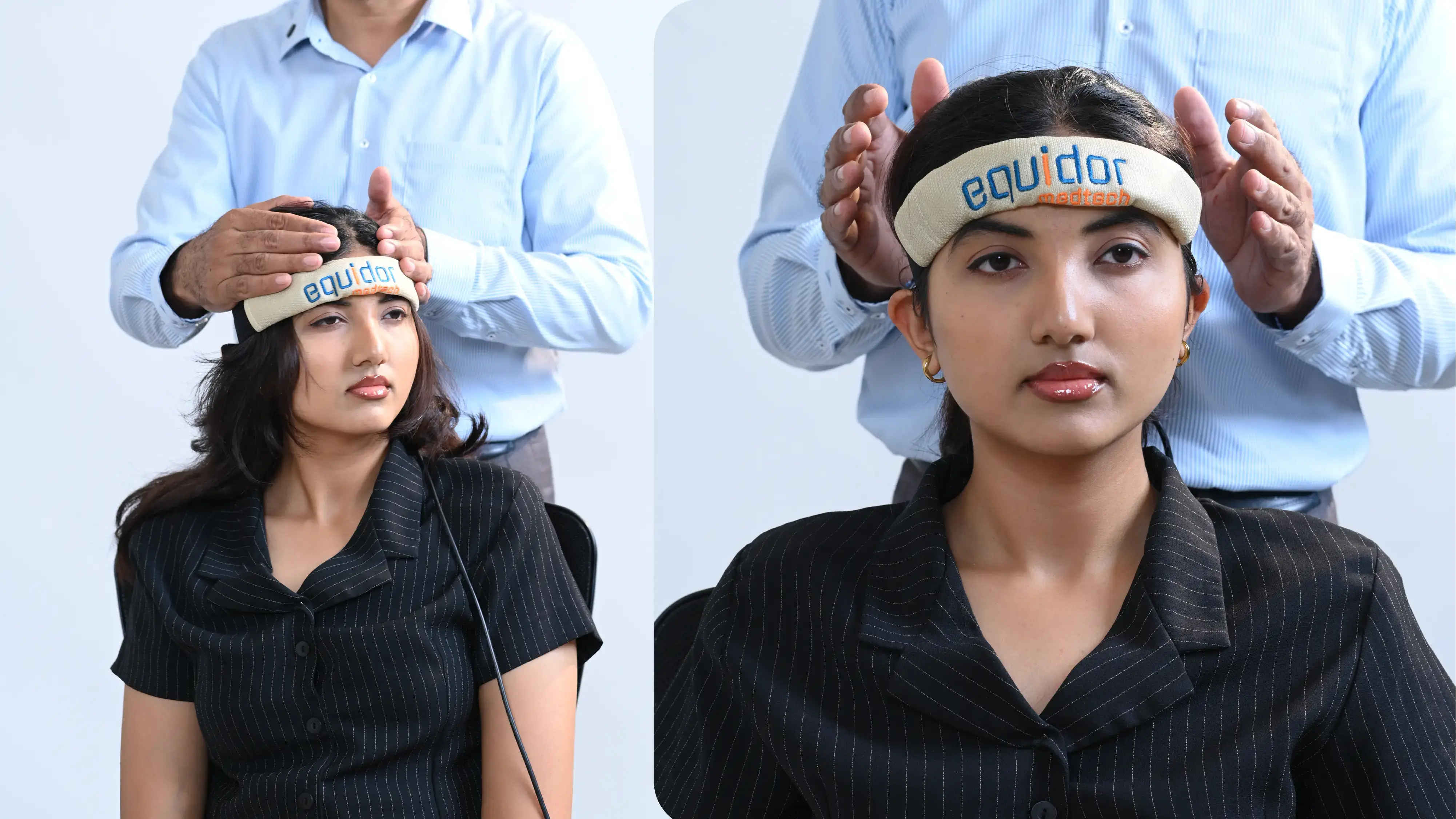
VOR & Vertigo: The Link Between Eye Stability and Dizziness
The vestibulo-ocular reflex (VOR) is a vital mechanism that keeps your vision stable during head movements. It works by coordinating signals between the inner ear and the eyes, allowing you to maintain focus on a target even while walking, running, or turning your head. When the VOR malfunctions, it can lead to symptoms like dizziness, blurred vision, and nausea, common signs seen in vertigo and other vestibular disorders. [6].
The Present State of Vertigo Diagnosis
The head impulse test (HIT/vHIT) is widely used to assess eye movements during quick head turns, helping detect vestibulo-ocular reflex (VOR) dysfunction from peripheral causes like vestibular neuritis. Though validated and commonly used, vHIT may show false negatives early after symptom onset, requiring expert interpretation and correlation with other clinical findings 7.
Additional diagnostic tools such as caloric testing, VEMP, audiometry, and imaging can offer further insights when needed. However, rapid, canal-specific bedside tests like vHIT are increasingly preferred for efficient triage and management of vertigo patients.
Learn how Functional Head Impulse Testing (fHIT) evaluates real-world vestibulo-ocular reflex performance:
https://taevaslifesciences.com/vestibulo-ocular-reflex-vor-testing-device#get-in-touch-with-us
Meet EquifHIT: Vision Meets Precision in Vestibular Care
Stop Guessing, Start Seeing: Unlike traditional methods, EquifHIT’s (Functional Head Impulse Test) approach to the head thrust test provides functional data that directly correlates with patient symptoms.
EquifHIT represents a revolutionary leap forward in vestibular assessment technology. Rather than simply measuring eye movements, it tests what truly matters: can your patient actually see clearly during head movement?
A comprehensive vestibular assessment should include functional testing of all six semicircular canals, which is exactly what EquifHIT delivers with remarkable precision and ease.
How EquifHIT Works: Function Meets Technology
See What Others Miss: For conditions like vestibular neuritis testing, EquifHIT offers unparalleled accuracy in identifying affected canals.
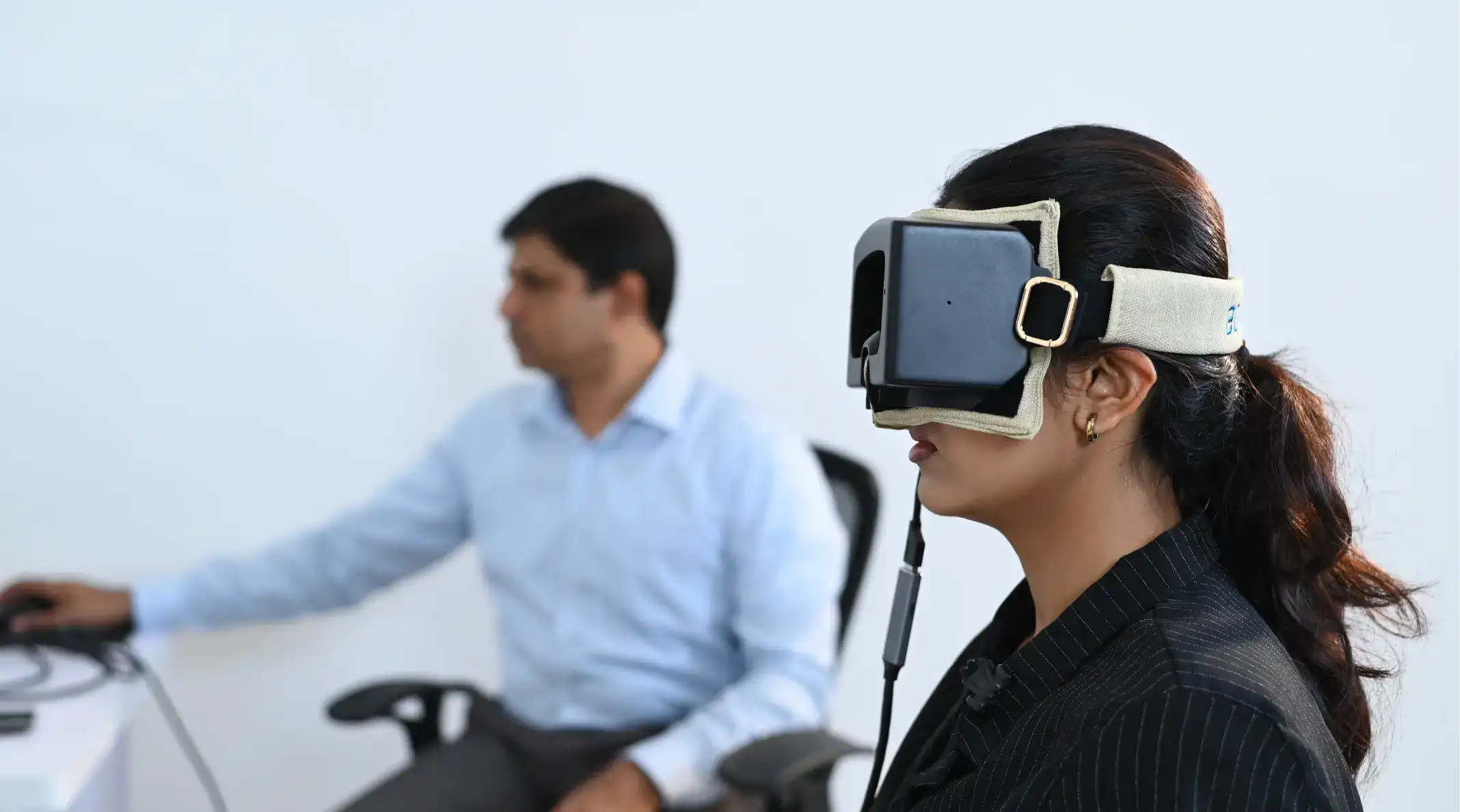
EquifHIT doesn’t just record eye movements; it challenges patients to identify symbols displayed at the precise moment of peak head velocity. This functional approach reveals what traditional tests miss: whether the vestibulo-ocular reflex is actually doing its job when patients need it most.
The system features:
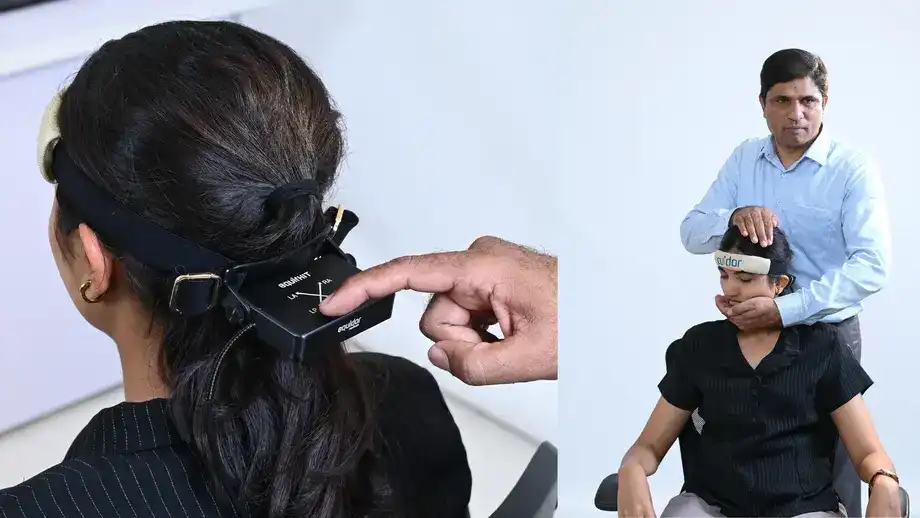
- High-Precision Sensors: Advanced head-mounted sensors measure movement across three planes – horizontal, LARP (Left Anterior Right Posterior), and RALP (Right Anterior Left Posterior).
- Smart Quality Control: The system automatically rejects suboptimal presentations, ensuring only reliable data informs your diagnosis.
- Universal Patient Design: With both standard Snellen optotypes and Landolt C options, EquifHIT works for all patients regardless of language or literacy.
The impulse test results from EquifHIT provide clear, actionable data for treatment planning, displayed through an intuitive color-coded system that makes interpretation straightforward for busy clinicians.
Beyond Numbers: The Clinical Advantage
From Data to Decisions: EquifHIT simplifies head impulse test interpretation with its color-coded reporting system.
Traditional vestibular testing often produces complex data that requires specialized expertise to interpret. EquifHIT transforms this process with results that directly answer the question: “Can this patient see clearly during head movement?”
The distinction between peripheral vs central vertigo becomes clearer with functional testing data that correlates with real-world patient experiences. When a patient with vestibular neuritis shows reduced scores in the horizontal canal on the affected side, you can confidently:
- Confirm the diagnosis with functional evidence
- Explain findings in terms patients understand
- Develop targeted rehabilitation strategies
- Monitor recovery with objective measurements
Why Leading Specialists Are Switching to EquifHIT
Precision When It Matters Most: Precise semicircular canal assessment is possible with EquifHIT’s three-plane measurement technology.
For ENT specialists, neurologists, and audiologists, EquifHIT addresses critical pain points:
- Diagnostic Confidence: Clear, functional results reduce uncertainty in differentiating peripherals from central causes
- Efficient Workflow: Quick setup and automated quality control save valuable clinic time
- Patient Communication: Results that directly relate to symptoms make patient education easier
- Treatment Planning: Canal-specific data guides targeted vestibular rehabilitation
Perfect for India’s Diverse Healthcare Landscape
Breaking Language Barriers: With Landolt C optotypes, EquifHIT enables practical vertigo testing even where English literacy is limited.
India’s healthcare system faces unique challenges, from urban centers of excellence to rural clinics with limited resources. EquifHIT’s design considers these realities:
- Inclusive Testing: Works for patients of all educational backgrounds
- Rapid Assessment: Efficient testing for high-volume clinics
- Clear Results: Intuitive reporting for specialists and general practitioners alike
- Durable Design: Built to withstand demanding clinical environments
Take the Next Step in Vestibular Care
Don’t Let Patients Spin in Uncertainty: Upgrade your practice with EquifHIT today.
Relying solely on “peripheral vs central” can mask the true cause of vertigo, delay life-saving treatment, and leave patients vulnerable. EquifHIT empowers clinicians to make accurate, timely diagnoses by focusing on symptom patterns and red flags, ensuring the right care, at the right time.
Ready to Transform Your Vestibular Practice?
Request a Demonstration – See EquifHIT in action
Attend a Training Workshop – Learn advanced vestibular assessment techniques
Get in Touch with Taevas Life Sciences
https://taevaslifesciences.com/vestibulo-ocular-reflex-vor-testing-device#get-in-touch-with-us
Because when it comes to vertigo, guessing isn’t good enough—seeing is believing.
References:
- Kerber KA, Newman-Toker DE. Misdiagnosing the dizzy patient: common pitfalls in clinical practice. Neurol Clin. 2015;33(3):565.
- Kameswaran M, Pujari S, Singh J, Basumatary LJ, Sarda K, Pore R. Clinicoetiological pattern and pharmacotherapy practices in patients with new onset vertigo: Findings from a prospective multicenter registry in India. Int J Otorhinolaryngol Head Neck Surg. 2017;3(2):404–13.
- Kameswaran M, Bharathi MB, Periera C, Chandra S, Reddy HK, Gupta M, et al. Effectiveness and Safety of Prochlorperazine in Indian Patients with Acute Vertigo: Results from a Large, Prospective, Post-marketing Observational Study. Indian J Otolaryngol Head Neck Surg. 2023;75(4):3152–60.
- Jaganathan N, Mohamed MH, Md Pauzi AL, Mahayidin H, Hanapai AF, Wan Sulaiman WA, et al. Video head impulse test in stroke: a review of published studies. Front Neurol. 2024;15:1339039.
- Strupp M, Bisdorff A, Furman J, Hornibrook J, Jahn K, Maire R, et al. Acute unilateral vestibulopathy/vestibular neuritis: Diagnostic criteria. J Vestib Res. 2022;32(5):389–406.
- Somisetty S, Das JM. Neuroanatomy, Vestibulo-ocular Reflex. [Updated 2023 Jul 25]. In: StatPearls [Internet]. Treasure Island (FL): StatPearls Publishing; 2025 Jan–. Available from: https://www.ncbi.nlm.nih.gov/books/NBK545297/
- Welgampola MS, Halmagyi GM, Snapp HA, Schubert MC, Crowson MG, Straumann D. Head impulse test. [Internet]. ScienceDirect. Available from: https://www.sciencedirect.com/topics/medicine-and-dentistry/head-impulse-test